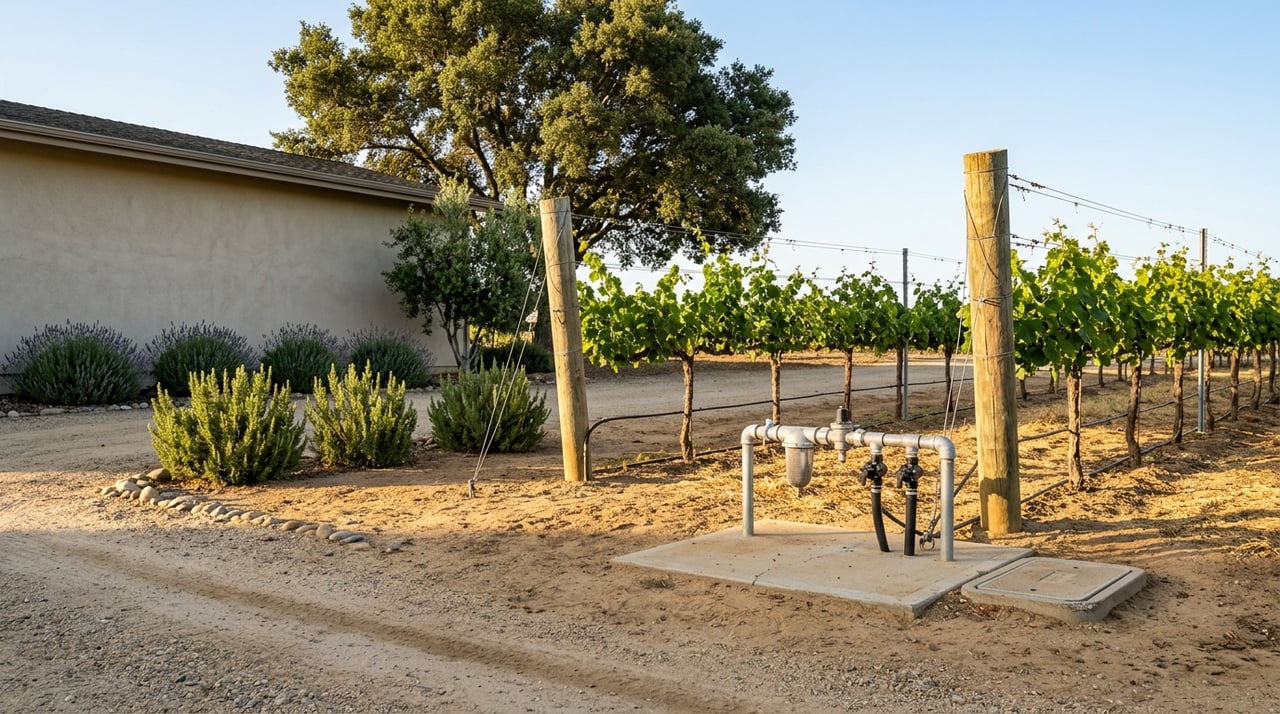
If you are looking at vineyard property in Paso Robles, it is easy to fall in love with the views first and ask the hard questions later. That is completely understandable because these properties often blend land, lifestyle, and long-term potential in one purchase. But vineyard-capable land comes with a different due diligence list than a typical home, and getting that list right can save you time, money, and stress. Let’s dive in.
Why Paso Robles Requires Careful Review
Paso Robles is not one-size-fits-all. The region spans a large area, with varied terrain, soils, and climate conditions that can change meaningfully from one part of the AVA to another.
The Paso Robles AVA includes recognized district appellations such as Adelaida, Creston, El Pomar, Estrella, Geneseo, Highlands, Willow Creek, San Juan Creek, San Miguel, Santa Margarita Ranch, and Templeton Gap. Local wine region materials describe the AVA as stretching roughly 35 miles east to west and 25 miles north to south, with a western boundary about six miles from the Pacific.
That size matters because micro-location can shape how a property performs. Paso Robles is known for a strong day-to-night temperature swing, a long growing season, and diverse soils, including calcareous soils on the west side that can support different growing strategies and grape varieties.
Appellation and district context
When you evaluate a property, start by identifying exactly where it sits within the broader Paso Robles area. A mailing address alone does not tell you enough about climate, topography, or vineyard context.
Knowing the district appellation can help you better understand the land’s setting and how it may fit your goals. It can also give useful context when you compare nearby properties, existing vineyards, and operating expectations.
Terrain and site variation
Paso Robles includes rolling east-side hills as well as steeper west-side hills and canyons. That means two vineyard properties with similar acreage can offer very different usability, access, and development costs.
Before you move forward, look closely at how the land lays out in real life, not just on a listing sheet. Slope, access, road needs, and buildable or plantable areas all deserve careful review.
Water Should Be a Top Priority
For vineyard-capable land, water is one of the most important diligence items. In Paso Robles, that is especially true because groundwater rules and long-term water availability can affect both current use and future plans.
The Paso Robles Groundwater Basin is the local name for the Paso Robles Area Subbasin of the Salinas Valley Groundwater Basin. San Luis Obispo County says it covers about 436,000 acres and is managed through four groundwater sustainability agencies.
The basin’s Water Year 2023 annual report shows total water use of 68,300 acre-feet, with agriculture accounting for 59,600 acre-feet. That scale alone tells you why water deserves detailed attention early in the process.
Confirm well and water details
If a property has an existing well, you will want to understand more than whether the well simply exists. Ask about well location, current use, production history, equipment, and whether there are any metering or inspection requirements that apply.
The county states that domestic wells need a meter and inspection. It also notes that residential use up to 2 acre-feet per year per property is exempt from management actions such as pumping fees and pumping reductions.
Understand the county’s water-offset rule
If you plan to build or expand improvements, water rules can affect your timeline and budget. In the Paso Robles Groundwater Basin, the county requires 1:1 water-offset credits before a construction permit is issued for new urban and rural development.
This is broader than many buyers expect. According to the county, even houses, guest houses, pools, and commercial buildings can trigger the offset requirement.
Evaluate the Land Itself
A beautiful setting does not automatically mean a vineyard site is practical or cost-effective. The physical characteristics of the land can influence planting, access, drainage, erosion control, and future improvements.
UC guidance on vineyard development recommends confirming a sufficient water supply because many sites need water for vine establishment, summer irrigation, and frost protection. It also recommends checking soils, slopes over 20 percent, oak woodland, road needs, and erosion control before moving ahead.
Look closely at soils and slope
Soils can vary widely across Paso Robles, and that variation can affect how the land is used. Even within the same general area, soil conditions may shape vineyard planning, irrigation needs, and development costs.
Slope matters too. Steeper ground may limit usable acreage or increase the cost of roads, planting, drainage work, and erosion control.
Consider roads, grading, and access
Access is easy to underestimate when you are focused on views and acreage. But if roads need work, or if a site needs grading to support agricultural use or other improvements, those items should be reviewed before closing.
In unincorporated San Luis Obispo County, if the property needs grading, the county requires an agricultural grading form and site plan to be approved before grading starts, even where a grading exemption may apply. That makes early planning important.
Review Zoning, Permits, and Intended Use
Many buyers assume agricultural land is flexible by default. In reality, vineyard property often comes with very specific use rules, permit pathways, and limitations on structures and related business activity.
Your review should match how you plan to use the property. A site that works well for agricultural production may not automatically work the same way for future buildings, hospitality-related activity, or other vineyard-adjacent uses.
Williamson Act considerations
Some Paso Robles agricultural properties may be under a Williamson Act contract. San Luis Obispo County says these contracts can reduce property taxes on farmland and open space in exchange for a 10- or 20-year commitment not to develop or convert the land.
The county also states that the property must be in the Agriculture land use category, and its typical minimum acreage for orchards and vineyards is 20 acres. If a parcel is enrolled, that status should be part of your diligence from the start.
Agricultural building rules are limited
It is important not to overestimate what counts as an exempt agricultural building. San Luis Obispo County describes the exemption as narrow.
The structure must be for farm implements or horticultural products, not habitation, public use, or processing. The parcel generally must be at least 20 acres and in Agriculture or Rural Lands, and the site plan must show details such as wells, septic systems, easements, and setbacks.
Separate approvals may still apply
Even if a property is agriculturally zoned, related uses may need separate approvals. The county routes conditional use permits through PermitSLO and notes that business licenses may be needed for services or merchandise in unincorporated areas.
The county also notes that if the operator is not the property owner, owner permission may be required to operate there. For approved winery-related food service operations, the Host Facility permit is a separate health approval.
Understand the Operating Structure
With vineyard property, you are often evaluating both real estate and an operating arrangement. That is true whether the land is already planted, partially improved, or simply suited for future agricultural use.
A buyer should know who controls day-to-day farming and who is responsible for core costs and improvements. Existing agreements can materially affect both value and your plans after closing.
Owner-operated or leased
UC ANR says leasing or renting land is common in California agriculture, with cash rent and crop-share as the two main lease types. Cash rent is a fixed payment that shifts most production risk to the tenant, while crop-share spreads risk and can allocate cropland and buildings or facilities differently.
That means you should review whether the property is owner-operated, leased to a tenant, or subject to another management arrangement. Each structure can come with different risks, obligations, and income expectations.
Review agreements and responsibilities
Ask whether there are existing leases, management agreements, or crop-sales arrangements tied to the property. You should also understand who pays for trellis systems, irrigation, roads, repairs, and ongoing land maintenance.
These details matter because they affect both the property’s value and your practical ownership experience. A vineyard property can look straightforward on paper while operating very differently in practice.
Build the Right Due Diligence Team
Specialized land deserves specialized review. UC guidance recommends having an experienced vineyard manager or local agency representative review the plan before moving ahead.
For a serious buyer, this is also the stage to involve appropriate legal, tax, and agricultural professionals before closing. A strong team can help you evaluate not just what the property is today, but what it realistically supports next.
At the real estate level, this is where clear coordination matters. With vineyard and rural properties, the process usually involves more moving parts, more site-specific questions, and more communication across advisors than a standard residential purchase.
If you are considering vineyard property in Paso Robles, a calm, organized approach makes a real difference. Working with advisors who understand both Central Coast lifestyle goals and land-based property diligence can help you move forward with more clarity and confidence.
When you are ready to talk through Paso Robles vineyard opportunities, property strategy, or the questions to ask before you buy, reach out to Tiffany Schmidt. You will get thoughtful guidance, steady communication, and a team approach designed to support your next chapter on the Central Coast.
FAQs
What should you review first on a Paso Robles vineyard property?
- Start with water, site conditions, and intended use. In Paso Robles, groundwater rules, well details, slope, soils, and permit requirements can all affect whether the property fits your goals.
Why does water matter so much for Paso Robles vineyard land?
- Water is central because vineyard sites may need supply for vine establishment, summer irrigation, and frost protection, and local groundwater management rules can also affect future construction plans.
Do all Paso Robles agricultural properties allow easy development?
- No. Agricultural land can still be subject to specific zoning rules, permit requirements, grading review, and limits on what structures or business uses are allowed.
What is the Williamson Act in San Luis Obispo County?
- It is a county program that can reduce property taxes on qualifying farmland and open space in exchange for a long-term commitment not to develop or convert the land.
Why should you ask about leases on a vineyard property in Paso Robles?
- Existing leases or management agreements can affect income, control, operating costs, and who is responsible for improvements such as irrigation, trellis systems, roads, and repairs.