Wondering how to get a Santa Ynez Valley ranch or estate ready for market without missing something important? Selling a rural property is different from selling an in-town home because buyers are evaluating the house, the land, the systems, and the paperwork all at once. If you want a smoother launch and stronger first impression, a clear prep plan can make all the difference. Let’s dive in.
Why Santa Ynez Valley prep is different
In Santa Ynez Valley, many properties function as more than just residences. Santa Barbara County identifies the area as including Santa Ynez, Ballard, Los Olivos, and surrounding rural and agricultural lands, which means listings often include acreage, barns, sheds, fencing, access roads, and agricultural improvements.
That changes how buyers look at value. They are not only noticing paint colors and kitchen finishes, but also access, maintenance, land use, and the condition of rural infrastructure. A polished presentation matters, but so does parcel-level clarity.
Start with safety and wildfire readiness
For many Santa Ynez Valley sellers, wildfire readiness should come first. CAL FIRE requires 100 feet of defensible space, and the first five feet around structures is considered the most critical ember-resistant zone.
That usually means more than trimming a few plants near the main house. On a ranch or estate, buyers are often seeing barns, sheds, propane tanks, fencing, drive approaches, and guest structures right away, so those areas should feel maintained and safe too.
CAL FIRE also recommends:
- Keeping annual grass to four inches or less
- Moving combustible items at least 30 feet from the home
- Clearing roofs and gutters
- Reviewing eaves, siding, windows, doors, decks, fences, and accessory buildings as part of home hardening
Because counties may apply stricter standards than the state minimum, it is smart to confirm local fire or weed-abatement expectations before you list.
Check hazards early
A smart seller does not wait until escrow to understand hazard-related issues. Santa Barbara County’s Community Hazard Awareness Map brings together emergency zones, road closures, flood risk, public safety power shutoff information, and tsunami hazard information in one place.
For Santa Ynez Valley properties, flood risk, PSPS exposure, road access, and evacuation zones can all affect buyer questions. When you review this information early, you are better prepared to answer those questions clearly and avoid surprises later.
Review disclosures before going live
California disclosure rules have become more detailed, and rural sellers should be especially careful here. According to the California Department of Real Estate’s 2025 update, the Natural Hazard Disclosure Statement for a single-family residential property must now indicate whether the property is in a high fire hazard severity zone and whether it is in a state or local responsibility area.
The same update says that if you obtained title within the previous 18 months, you must also disclose contractor-performed room additions, structural modifications, alterations, or repairs of $500 or more, along with contractor names and copies of permits. If your estate has had recent work, gathering that paperwork early is important.
Verify permits, zoning, and parcel details
Before marketing a ranch or estate, it helps to verify what the county has on file. Santa Barbara County’s Real Estate Services tools include permit history by parcel, surveyor maps, zoning lookup, and zoning ordinances.
This matters because buyers commonly ask about guesthouses, barns, pools, sheds, fencing, workshops, and other improvements. When you can confirm records up front, you create more confidence and reduce back-and-forth during due diligence.
Gather rural system records
On larger parcels, buyers usually expect more documentation than they would for a typical suburban home. Water and septic records are often front-and-center because these systems affect everyday use, maintenance planning, and buyer comfort.
Santa Barbara County notes that water-supply permitting may involve items such as a plot plan showing wells and nearby contamination sources within 200 feet, well logs, water-quality analysis, bacteriological information, and engineer certification of adequacy. County code also states that private sewage disposal systems must meet permitting and installation requirements, including percolation tests, and some systems require Environmental Health approval.
A practical pre-listing packet may include:
- Well logs
- Pump and service records
- Water-quality test results
- Septic service history
- Permit sign-offs
- Shared-water or mutual-water documents
- County paperwork related to agricultural preserve status, if applicable
Having these materials organized does not just help buyers. It also helps your listing team present the property with more accuracy and less delay.
Understand agricultural preserve paperwork
If your property is enrolled in an agricultural preserve or Williamson Act contract, do not treat that as a side note. Santa Barbara County’s Agricultural Preserve Program is focused on long-term conservation of agricultural and open-space lands, and the Assessor maintains a Williamson Act Questionnaire for contract holders.
For sellers of vineyards, farmland, and rural estates, this paperwork can be part of the buyer’s evaluation. If the land carries restrictions, preserved status, or ongoing agricultural documentation, it is best to understand that before the property hits the market.
Focus improvements where buyers notice them first
Not every pre-listing dollar has the same impact. National staging and remodeling data cited in the research points to a simple truth: clean, visible, buyer-facing improvements usually do the heavy lifting.
The 2025 NAR staging report found that buyers’ agents most often recommended decluttering, cleaning, and improving curb appeal. It also reported that staging helps buyers visualize the property as a future home, and that many agents see benefits in sale price and time on market.
For a Santa Ynez Valley estate, that means the interior still matters, even when the acreage is the headline. Buyers may come for the views and land, but they still react strongly to the condition and feel of the main living spaces.
Stage the rooms that matter most
According to the same staging report, the living room, primary bedroom, and kitchen were the most important rooms to stage. Photos, traditional staging, video, and virtual tours were also rated as highly important listing assets.
That is especially relevant for estate properties, where the online first impression often determines whether a buyer books a showing. If your interiors feel clean, calm, bright, and proportional in photos, the property tends to read as more cared for overall.
Prioritize high-visibility repairs
You do not need to remodel everything before listing. In fact, the strongest approach is often to fix what buyers will notice right away.
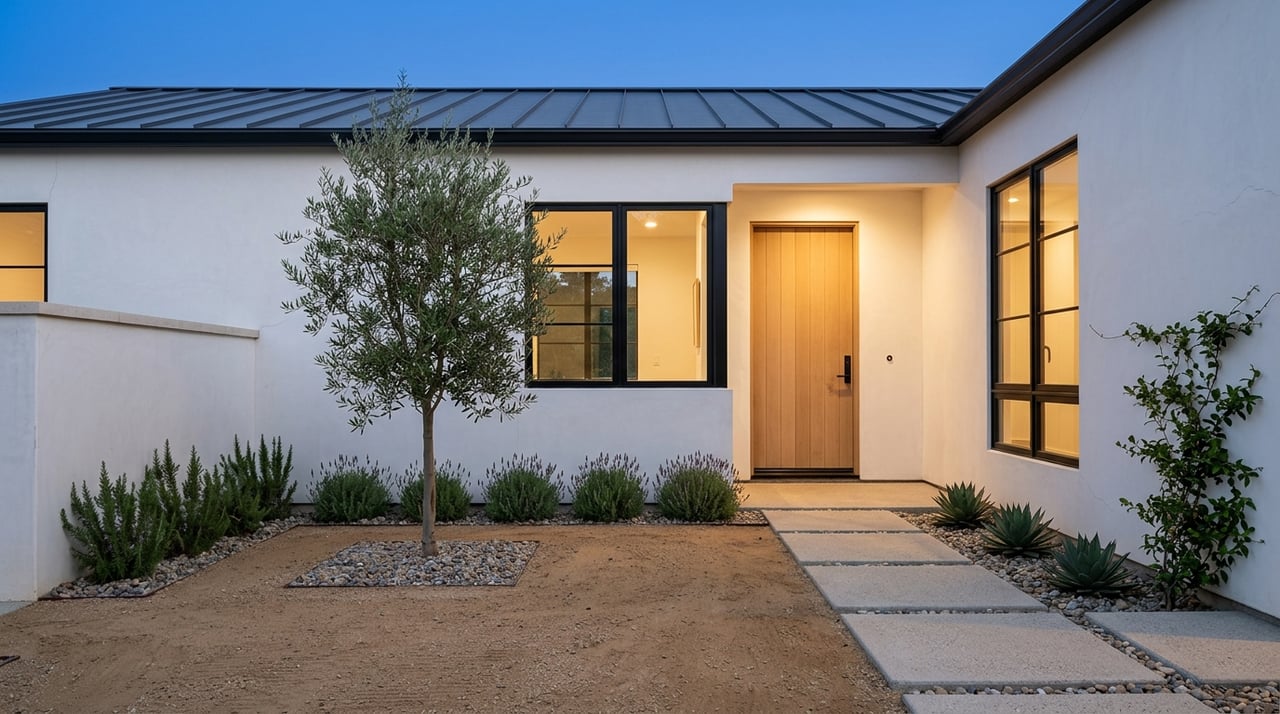
The remodeling data in the research highlights seller recommendations like painting the entire home, painting a room, and new roofing. It also points to strong impact from front doors, exterior paint, garage doors, and roofing, with a new steel front door showing full cost recovery in the report.
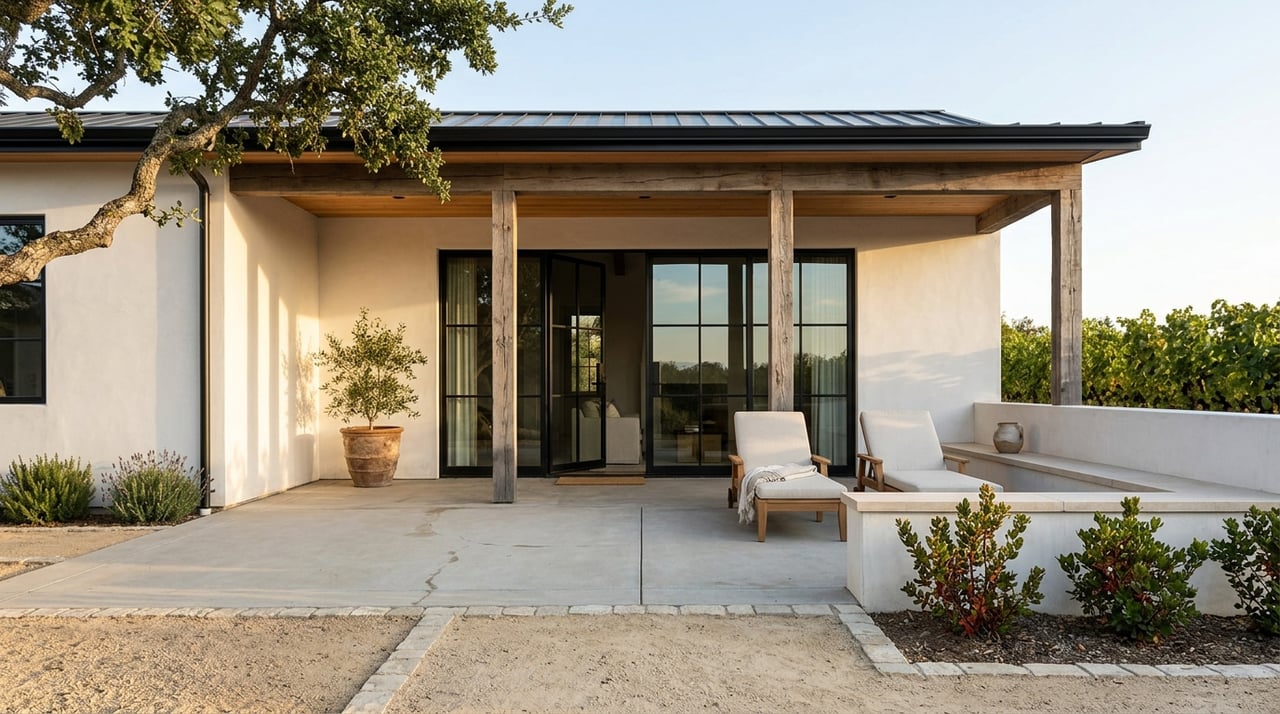
For Santa Ynez Valley ranches and estates, good places to focus often include:
- Roofline and visible roof condition
- Exterior paint and trim
- Front entry and gates
- Drive approach
- Patios and pool areas
- Guesthouse exteriors
- Main public rooms inside the home
These are the places where buyers form early opinions. On a rural property, visible condition can shape how they feel about everything else, including systems they have not even reviewed yet.
Declutter the house and the land
Decluttering on an estate means more than clearing kitchen counters. It can also mean simplifying tack rooms, storage barns, utility areas, porches, workspaces, and side yards so the property feels intentional rather than overwhelmed.
The goal is not to erase how the property lives. The goal is to help buyers understand its scale, uses, and flexibility without distraction.
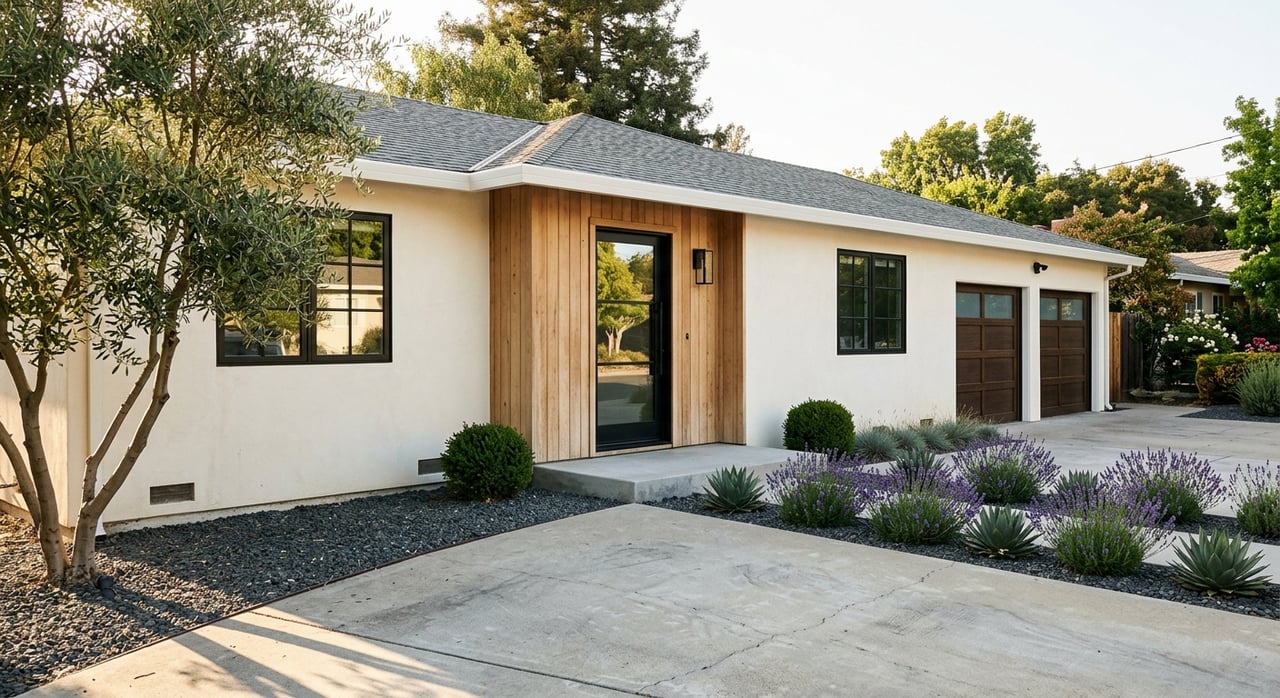
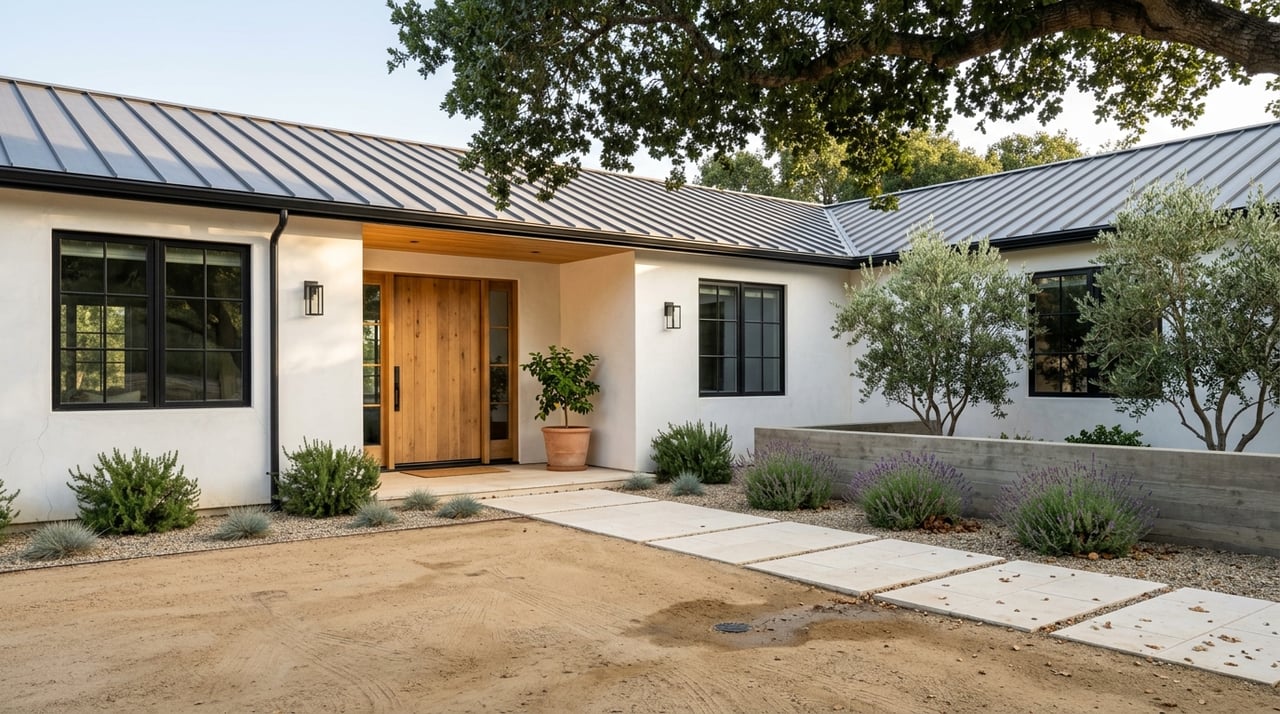
Clean up the approach and arrival experience
Drive-up experience matters on large parcels because buyers begin judging the property before they reach the front door. A long drive, entry gate, fence line, and parking area can all influence whether the property feels private and well-managed or difficult to maintain.
Before photos and showings, do a final pass on:
- Gates and entry hardware
- Driveways and turnouts
- Fence lines visible from the approach
- Exterior lighting
- Signage areas
- Landscaping near the home and guest structures
A clean arrival experience helps the whole property feel more coherent.
Use a smart order of operations
For acreage properties, timing matters almost as much as the work itself. The research supports a practical sequence that helps sellers avoid rework and keep the launch organized.
A sensible prep order is:
- Safety and compliance review
- Land and exterior cleanup
- Repairs and paint
- Deep cleaning and decluttering
- Staging, photography, and video
- Final pass on driveways, gates, and signage
This kind of plan helps you handle the biggest issues first, then finish with the visual details buyers will remember.
Why guided preparation matters
Preparing a Santa Ynez Valley ranch or estate for market can feel like managing a small project, because it often is one. Between wildfire prep, county records, water and septic paperwork, exterior work, and staging, there are a lot of moving pieces.
That is where a hands-on advisory team can make a real difference. With the right guidance, you can focus on the improvements and documents that support buyer confidence, protect your timeline, and present your property at its best.
If you are thinking about selling and want a practical plan tailored to your property, Tiffany Schmidt can help you map out the right next steps, coordinate market-readiness details, and guide you through a smoother launch.
FAQs
What should sellers fix first on a Santa Ynez Valley ranch or estate?
- Start with wildfire readiness, visible exterior condition, and key documentation for wells, septic, permits, and zoning.
What documents do buyers expect for a rural Santa Ynez Valley property?
- Buyers often expect records related to wells, water quality, pumps, septic service, permits, shared water arrangements, and any agricultural preserve or Williamson Act paperwork.
How much staging does a Santa Ynez Valley estate need before listing?
- Focus first on the living room, primary bedroom, kitchen, and the main exterior approach so buyers can clearly visualize the property online and in person.
Do Santa Ynez Valley sellers need to verify permits before listing?
- It is a smart early step because buyers often ask about barns, guesthouses, pools, sheds, and other improvements, and county parcel tools can help confirm what is on record.
Should sellers remodel a Santa Ynez Valley ranch or estate before going to market?
- Usually, it makes more sense to prioritize visible, buyer-facing improvements like paint, roofing, entry features, gates, and cleanup rather than taking on broad remodeling work.