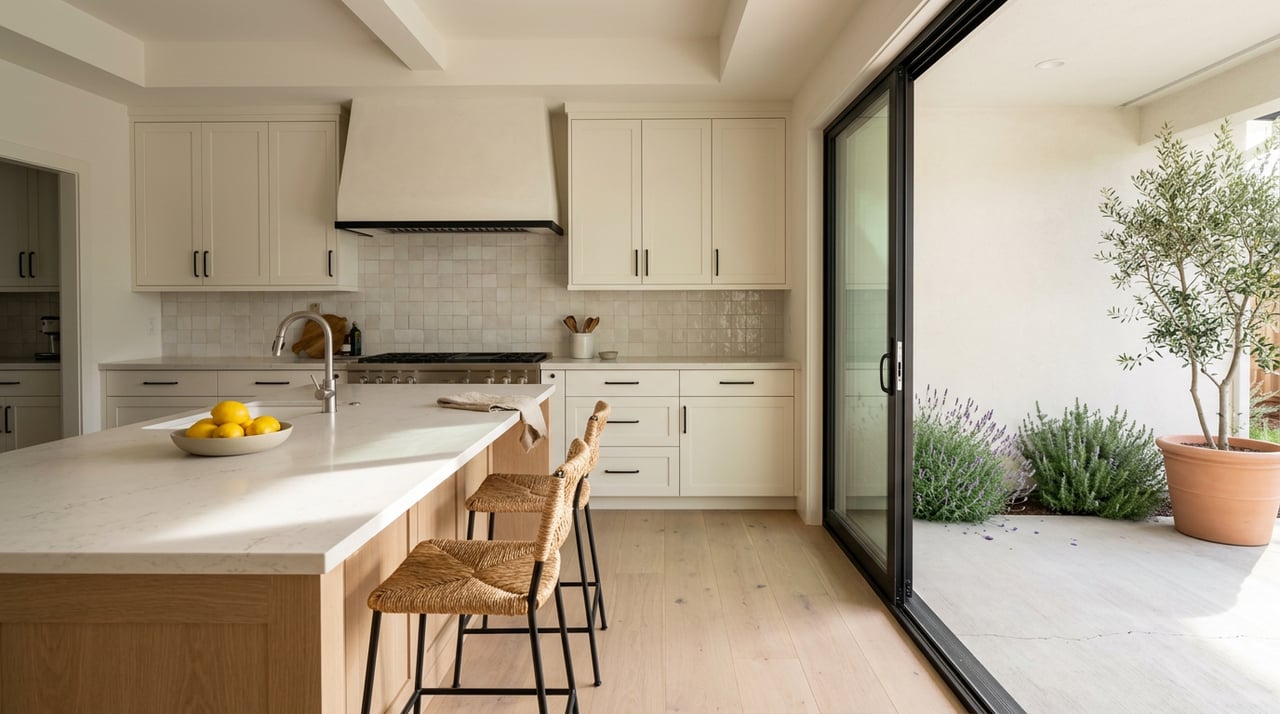
Thinking about selling in the Santa Ynez Valley? Getting your home market ready can feel like a lot, especially with rural systems, acreage, and lifestyle features to consider. You want a smooth plan that protects your timeline and showcases what makes Valley living special. This guide gives you a clear, local roadmap with the key inspections, upgrades, and marketing steps to help you launch with confidence. Let’s dive in.
Your 4 to 8 week market-ready roadmap
Week 1: Intake and a focused plan
Start with a simple intake. Confirm your water source (public or private well), septic type and age, number of bedrooms, known defects, and any equestrian or vineyard-adjacent details. Gather any permits or records you have on past improvements. Then create a short, prioritized plan: safety and compliance first, function second, and high-ROI cosmetics third.
Assign a single project lead to keep things moving. This can be your listing agent or a project manager who coordinates vendors and appointments. A single point of contact reduces delays, especially on larger properties.
Weeks 1 to 3: Systems, safety, and inspections
Schedule your septic system inspection early. Santa Barbara County Environmental Health oversees local septic and onsite wastewater treatment systems; plan to document compliance and any needed repairs if escrow requests them. Review local guidance and contacts on the county page for Onsite Wastewater Treatment Systems to stay ahead of buyer questions. You can find county resources on septic and waste programs through the Santa Barbara County Environmental Health site at Waste and Septic Programs.
If you have a private well, order a certified water-quality test (coliform/E. coli and nitrates at a minimum) and complete a flow test if requested. Include results in your pre-listing packet when possible.
Get roof, HVAC, electrical, and plumbing inspections, and consider a wood-destroying organism report, especially for older rural homes. Early reports help you address items on your timeline instead of a buyer’s.
Prepare for wildfire season with defensible space. The state promotes Zone 0, 1, and 2 principles. Focus on removing combustibles within 0 to 5 feet of structures, and maintain a lean, clean, green band 5 to 30 feet out. Take photos and keep receipts so you can demonstrate the work you did. For practical how-tos, review CAL FIRE’s guidance on defensible space zones.
Weeks 2 to 6: Repairs and value work
Use triage to sequence work:
- Safety and compliance: address electrical hazards, roof leaks, or septic failures first.
- Function: fix doors and windows that stick, drips or slow drains, and any issues that impact daily use.
- Cosmetic value: choose projects with strong cost recovery. Data from the Remodeling Cost vs. Value report shows smaller, targeted updates often outperform big remodels. Think minor kitchen refreshes, paint, hardware, and select exterior work. See current ROI trends in the Cost vs. Value report.
Weeks 1 to 3: Landscaping and curb appeal
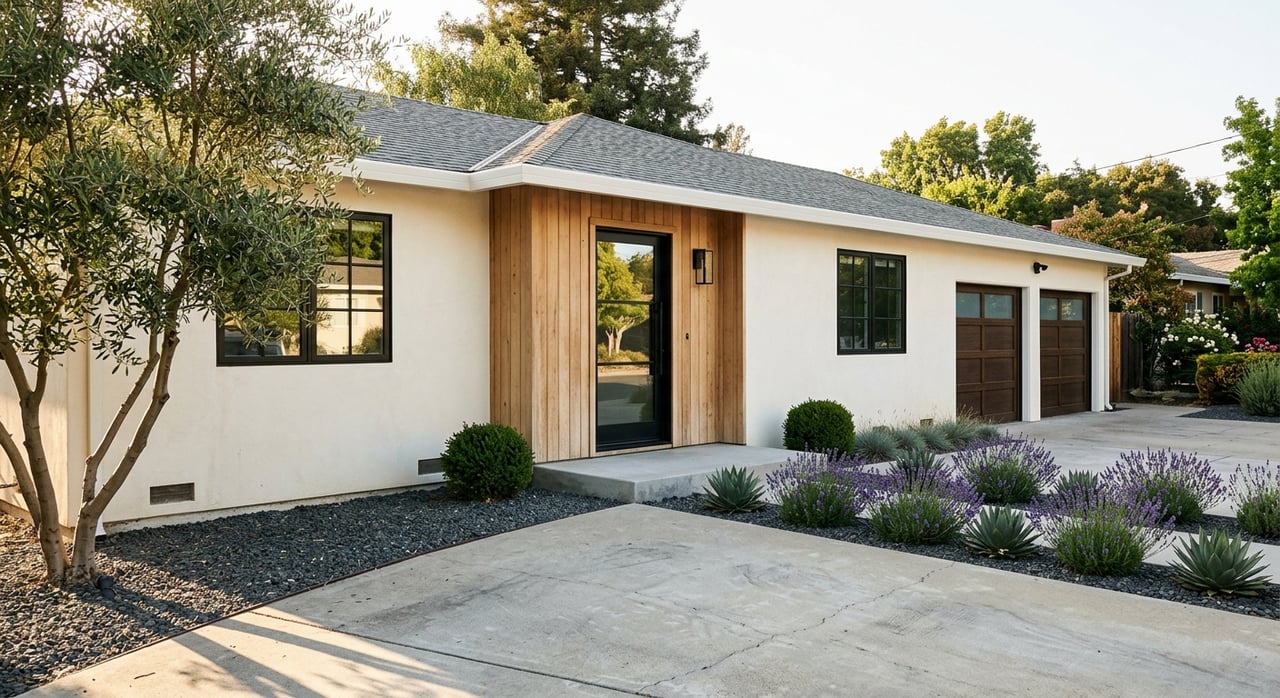
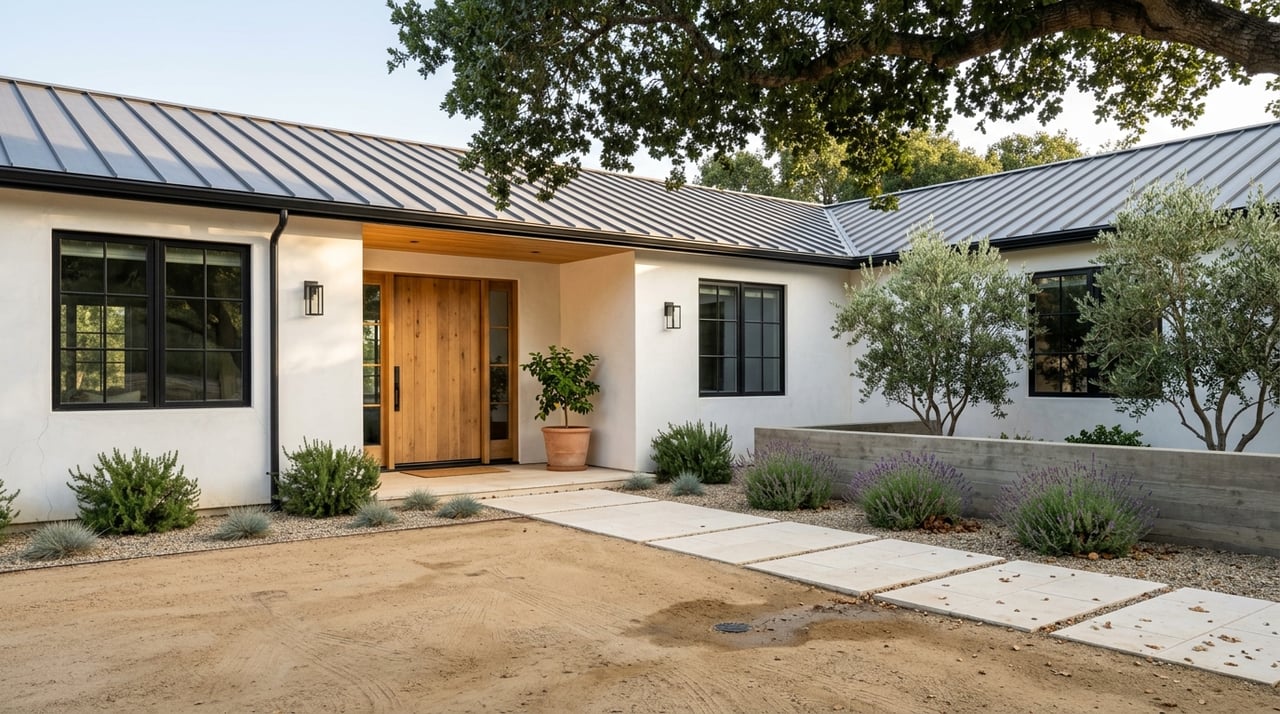
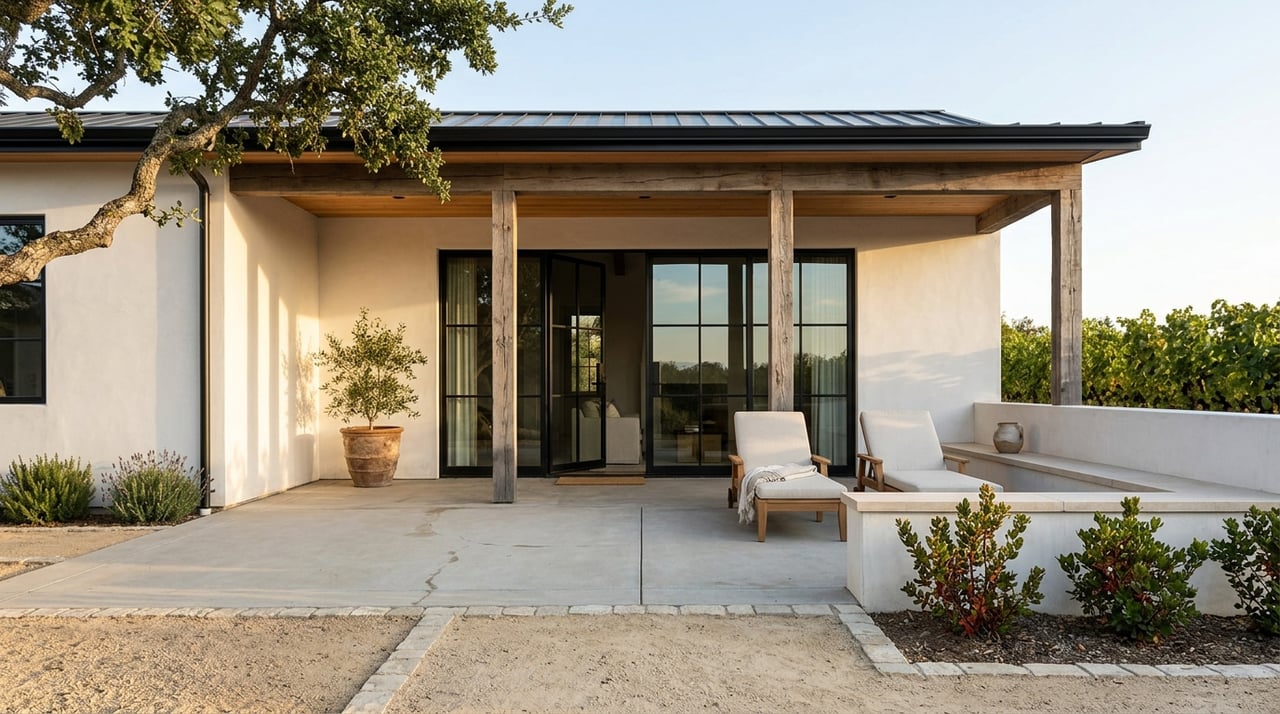
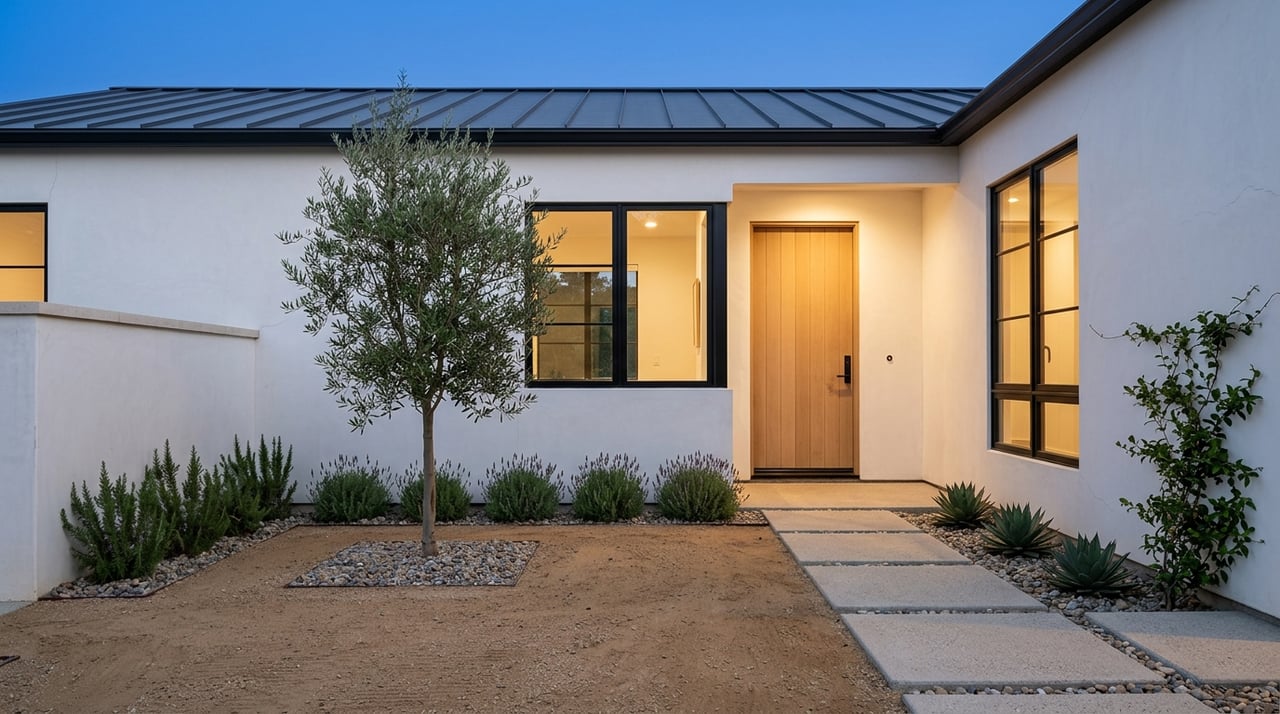
In the Santa Ynez Valley, buyers love outdoor living that fits our climate. Opt for low-maintenance, Mediterranean and drought-tolerant plants, and keep clean gravel or rock directly against the house to align with Zone 0 guidance. Refresh borders and beds, remove dead growth, and touch up pathways.
Check irrigation for leaks and proper coverage, especially if your system is fed by a well. Avoid overwatering before showings. Keep receipts and photos of any fire-hardening and abatement work so buyers can review it easily.
Final week: Staging, photos, and launch
Staging helps buyers visualize how they will live in the home. National Association of Realtors research indicates staging can reduce time on market and can lead to stronger offers. If you prioritize only a few spaces, focus on the living room, primary bedroom, and kitchen. Explore the NAR insights on home staging.
Invest in a professional real estate photographer and, if appropriate, aerials that showcase views, acreage, and proximity to amenities. Commercial drone operators must hold FAA Part 107 certification, and the aircraft must comply with registration and Remote ID rules. Confirm your vendor’s credentials. Learn more about requirements for pros at the FAA’s page on commercial drone pilots.
Market context: what Santa Ynez buyers notice
The Santa Ynez Valley attracts a wide range of buyers, from equestrian and vineyard lifestyle seekers to second-home owners and local residents. Homes that are move-in ready, well-documented, and easy to evaluate tend to reach the broadest audience. Properties with specialized features, like barns, arenas, or vineyard-adjacent parcels, benefit from targeted preparation so the right buyers can quickly assess function and fit.
Because our market spans small-town homes and luxury estates, published medians often vary. Treat online medians as directional and lean on a local MLS-backed comparative market analysis for pricing decisions. Focus your preparation on lifestyle appeal and clean documentation of rural systems. That combination builds trust with every buyer type.
Rural, equestrian, and vineyard specifics
Equestrian property tune-up
- Barns and stables: Confirm stall doors latch smoothly, wiring is safe, and drainage and gutters work. Refresh footing in high-traffic areas and tidy tack rooms. Store hay and feed neatly and address any rodent concerns.
- Fencing and gates: Repair sagging rails, broken posts, and gate hardware. Buyers look closely at fence integrity, so walk the fence line in advance.
- Water and utilities: Confirm hydrants and spigots are working and accessible for paddocks and pastures. Note any recent improvements and keep invoices handy.
Vineyard-adjacent awareness
If your property sits near agricultural operations, buyers may receive a Right to Farm notice. California law protects established agricultural operations that follow accepted practices. Disclose nearby agricultural activity early and clearly so buyers know what to expect during the growing season. You can review the statutory language in California Civil Code section 3482.5 on Right to Farm protections.
Coordinate showings to avoid heavy dust or spray activity when possible. Keep edges near vineyards tidy, confirm irrigation line integrity along borders, and address any slope erosion before photos.
Fire access and long driveways
For larger parcels, clear sides of long driveways and ensure gates open smoothly. Maintain good visibility for emergency vehicles and evacuation routes. Many local fire authorities offer defensible-space guidance. Keep any reports or checklists for your disclosures and buyer packet.
Permits, disclosures, and vendor verification
Permits in Santa Barbara County
Major repairs or structural changes typically require permits. If you are unsure whether an improvement was permitted, request a county record search before listing. Early clarity prevents escrow delays. See Santa Barbara County Planning and Development’s Building and Safety information at Development Review.
Required disclosures in California
Most residential sales require a Transfer Disclosure Statement and a Natural Hazard Disclosure. Depending on your location, buyers may also receive agricultural notices, including Right to Farm. Review the state’s disclosure framework in the California Civil Code’s disclosure provisions. If you are near active farmland, reference the state’s Right to Farm statute when drafting your explanatory notes.
Hire verified, insured vendors
Verify contractor licenses and complaint history through the California Contractors State License Board. Request certificates of insurance and use written change orders for any scope adjustments. Start here: California CSLB.
Drone, photos, and marketing compliance
If you use aerials, confirm your vendor’s FAA Part 107 certification and insurance, and ensure the aircraft is registered and compliant with Remote ID rules. Align your shot list with what buyers care about most: approach, outdoor living areas, barn layouts, arena and pasture orientation, and nearby amenities.
What to fix first: quick wins buyers notice
- Neutral interior paint and updated lighting. Fresh, bright rooms feel larger and more modern.
- Minor kitchen and bath refreshes. Think painted cabinets, new pulls, and a sparkling clean presentation.
- Front entry and outdoor living. Clean pathways, fresh mulch alternatives like gravel in Zone 0, and simple planters.
- Septic and well documentation. Organized reports ease lending questions and inspection steps.
- Organized barn or workshop. Show storage systems, safety gear, and clean floors.
- Fire-smart yard. Photos of defensible space work show buyers you are proactive.
Your seller checklist and sample timeline
Use this quick-reference list to stay on track. Ask for a downloadable version to keep on your fridge and share with vendors.
- Confirm basics: water source, septic type and age, permits, number of bedrooms on septic, and any specialty features.
- Order inspections: septic, well water test, roof, HVAC, electrical, plumbing, and WDO if applicable.
- Fire readiness: complete Zone 0 to Zone 2 work; photograph and save receipts.
- Prioritize fixes: safety and function first, then high-ROI cosmetics using the Cost vs. Value data as a guide.
- Vet vendors: confirm licenses and insurance via the CSLB.
- Stage key rooms: living room, primary bedroom, and kitchen. See NAR’s staging insights for impact.
- Book media: professional photos and, if useful, FAA-compliant drone aerials via a Part 107-certified pro.
- Prepare your disclosure packet: TDS, NHD, and any local or agricultural notices. Reference California code disclosure guidance.
Sample timeline:
- Week 1: Intake, permit checks, schedule inspections and vendors.
- Weeks 1 to 2: Septic and well tests, home systems inspections, start fire-hardening.
- Weeks 2 to 4: Safety and functional repairs; begin cosmetic updates.
- Weeks 3 to 5: Landscaping, curb appeal, and exterior touch-ups.
- Week 5 or 6: Staging, pro photos, and final prep for listing.
Ready to sell with less stress?
You do not have to project manage this alone. Our two-agent team brings hands-on coordination, local vendor connections, and clear communication that keeps your sale on track. We map your plan, help you prioritize the right work, and guide you from first walkthrough to closing day.
If you want a tailored readiness plan for your Santa Ynez Valley property, reach out to Tiffany Schmidt. Let’s align on goals, timing, and next steps so your home shows its best.
FAQs
What inspections should Santa Ynez Valley sellers order before listing?
- Plan for septic and well testing where applicable, plus roof, HVAC, electrical, plumbing, and a WDO report for older rural homes; keep reports for buyers and lenders.
How long does it take to get a rural property market ready?
- Most sellers can complete core prep in 4 to 8 weeks, with more time needed if permits, septic repairs, well upgrades, or larger projects are involved.
Do I need a septic or well test to sell in the Santa Ynez Valley?
- If your home uses a septic system or private well, testing and documentation are highly recommended and often expected during escrow in our area.
What is defensible space and why does it matter for my listing?
- Defensible space reduces wildfire risk by clearing and maintaining zones around structures; it increases buyer confidence and supports insurance and lending.
What is California’s Right to Farm and how could it affect a sale near vineyards?
- State law protects established farm operations that follow accepted practices, and buyers may receive notices; disclose nearby agricultural activity early and clearly.
Who should coordinate contractors and staging for my sale?
- Assign one project lead, often your listing agent or a project manager, to schedule vendors, track progress, and keep your timeline on target.