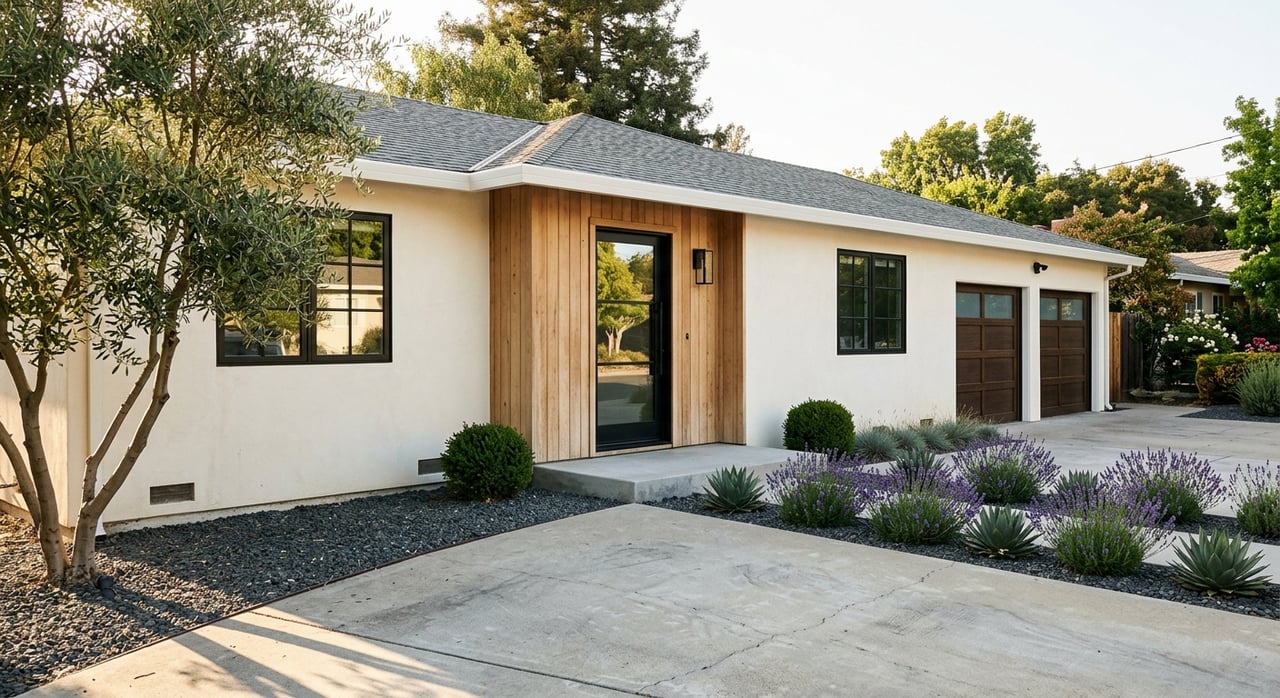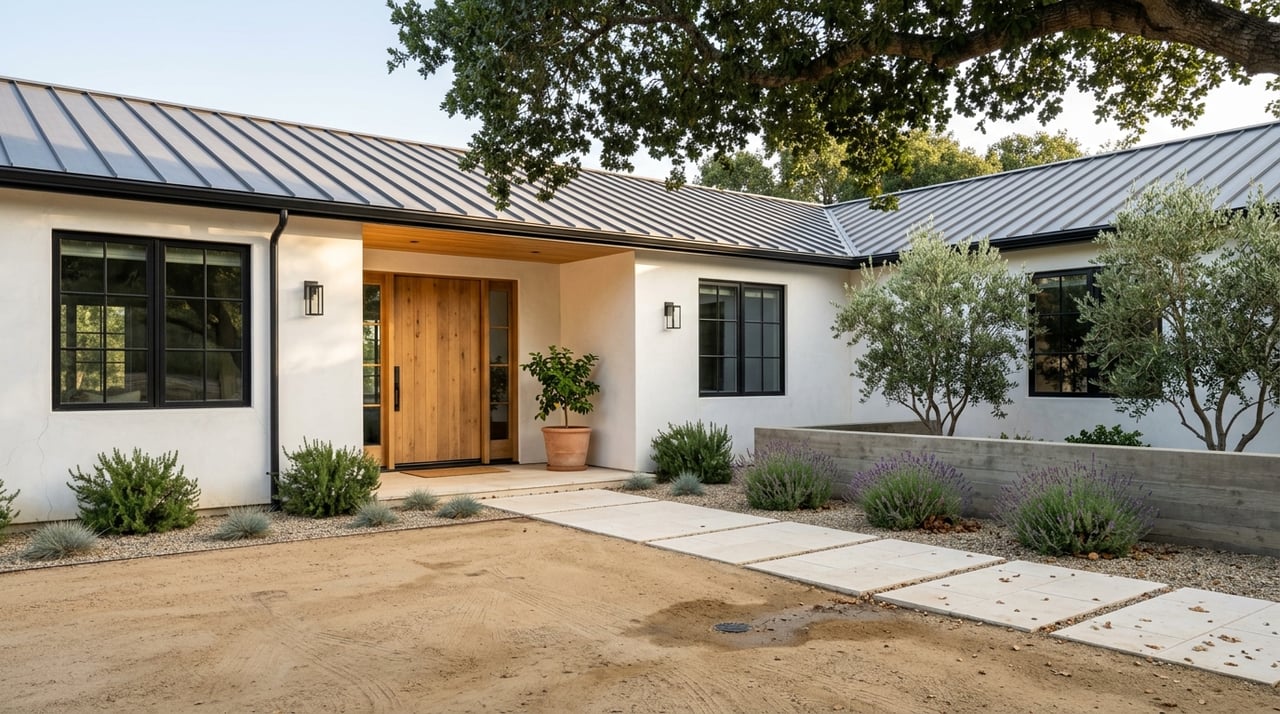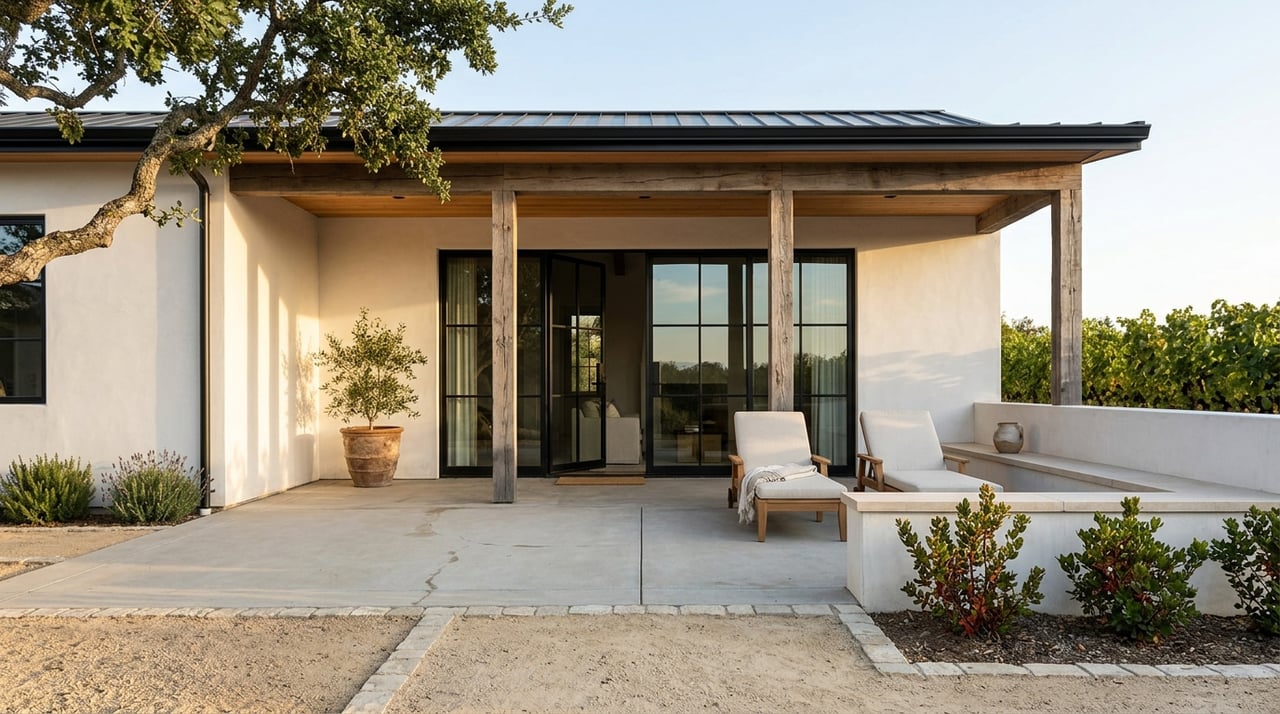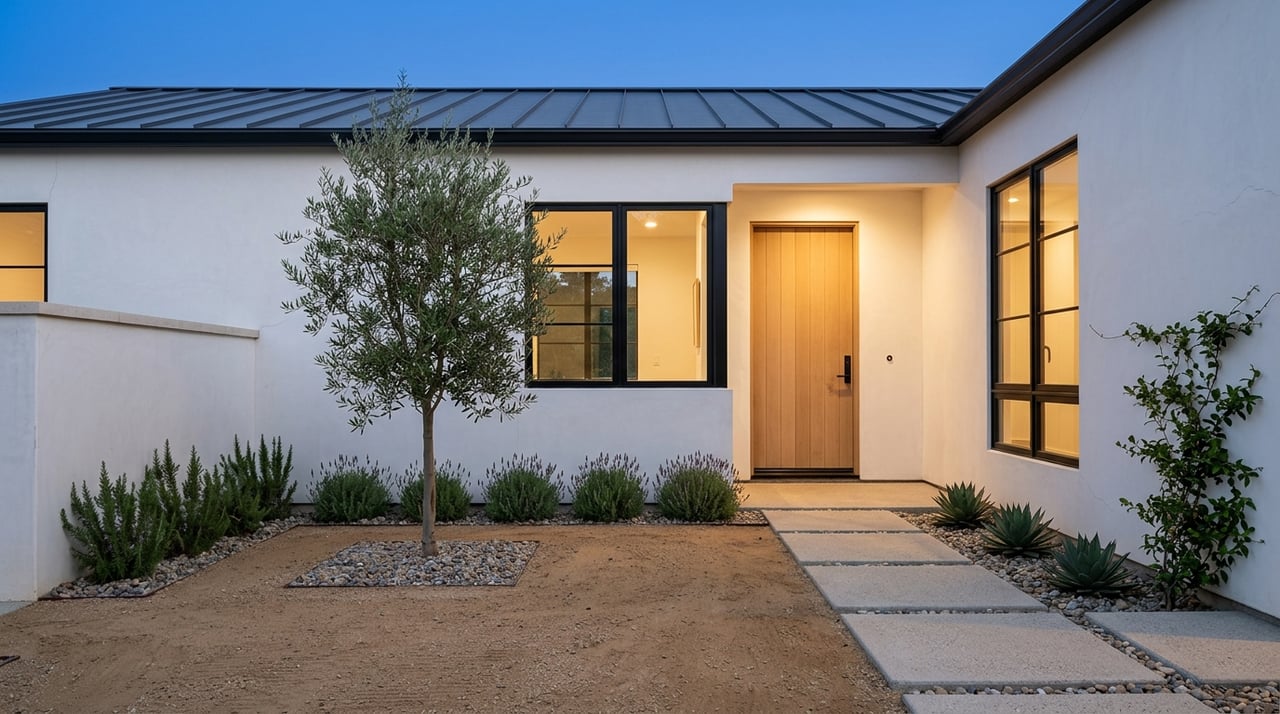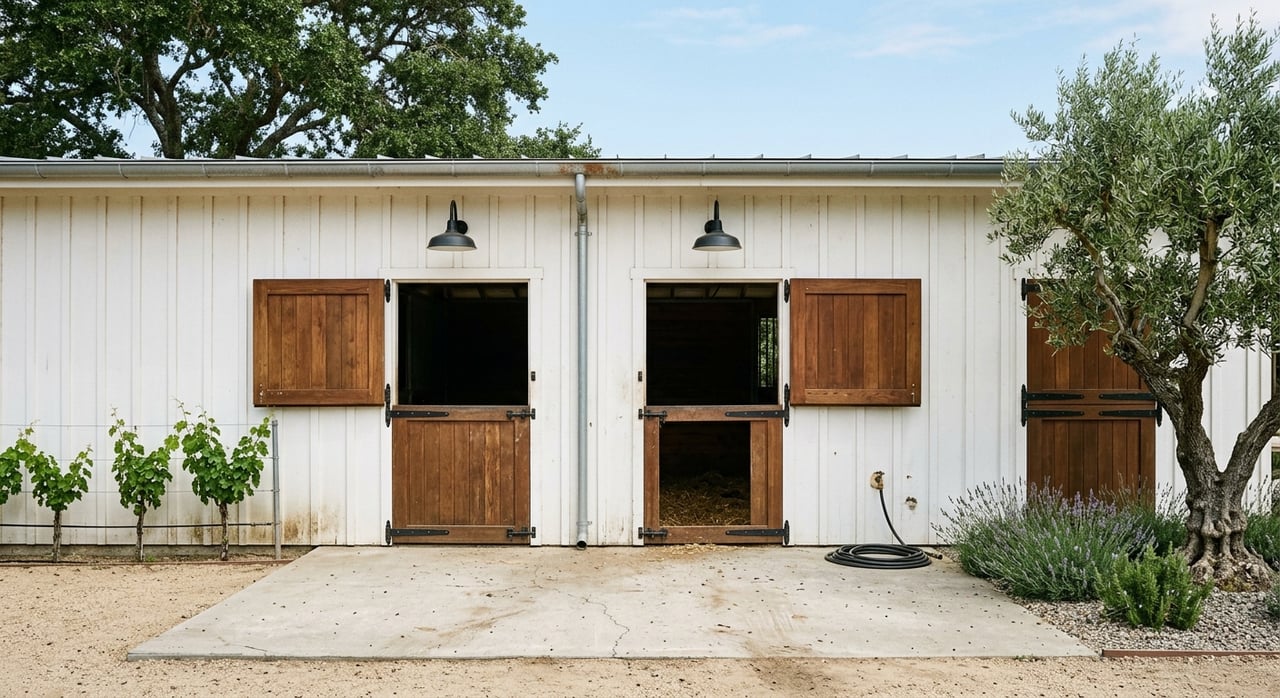
If you are dreaming about a property where vines, horses, and open land shape your daily routine, Los Olivos may already be on your shortlist. This is not a typical home search, and that is exactly why it helps to understand how this rural market works before you buy. In this guide, you will learn what makes Los Olivos stand out for wine- and ranch-focused buyers, what to look for in a property, and which due diligence steps matter most. Let’s dive in.
Why Los Olivos Feels Different
Los Olivos sits within Santa Barbara County’s Santa Ynez Valley planning area, which the county describes as a scenic pastoral area with a strong agricultural tradition. That larger planning area includes Santa Ynez, Ballard, Los Olivos, and surrounding rural and agricultural lands, so your search here is shaped more by land use, access, and agricultural context than by a standard neighborhood map. You can review that broader setting through the county’s Community Area Plans.
For many buyers, that difference is the appeal. Instead of dense subdivisions, you are more likely to see small ranches, vineyard parcels, horse properties, and rural estates. That means each property can have very different strengths depending on its terrain, infrastructure, and permitted uses.
Wine Country Strength in Los Olivos
Los Olivos benefits from being in one of California’s best-known wine regions. According to the Santa Barbara County wine facts and figures report, the county includes 7 AVAs, 325 wineries and tasting rooms, 11,168 bearing acres of wine grapes, and an estimated $1.7 billion annual economic impact.
That regional identity matters if you are looking for a vineyard property, a rural retreat near tasting rooms, or a ranch with a strong connection to wine country. The same report notes that the Santa Ynez Valley AVA was established in 1983, while the Los Olivos District AVA was established in 2016 and sits entirely within the Santa Ynez Valley and Central Coast AVAs. For buyers, that creates a more specific location story than a mailing address alone can provide.
The Los Olivos District AVA matters
The Los Olivos District overview describes the AVA as a broad alluvial terrace with fairly uniform topography, geology, and soil profile, along with warm days, occasional morning fog, and cool nights. It also notes 1,121 planted vine acres across 47 vineyards, with Sauvignon Blanc, Cabernet Franc, Cabernet Sauvignon, and Rhône varieties playing a prominent role.
If you are evaluating land, this is useful context. It suggests that successful parcel selection depends on specifics like slope, drainage, soil, sun exposure, and water, rather than simply whether a listing says “Los Olivos.”
Microclimate can change your options
One of the most important things buyers miss is how much conditions can change across the valley. The county wine industry report explains that the Santa Ynez Valley runs east to west and gets progressively warmer inland, with cooler-climate grapes more associated with the west and Cabernet and Merlot more associated with inland areas.
That same source notes that temperatures can rise about one degree for every mile away from the ocean, and vineyards may see large day-to-night temperature swings. If you are comparing parcels for vines, outdoor living, or horses, those shifts can affect how a property performs and feels on a daily basis.
What Buyers Usually Find
The local product mix often lines up well with buyers who want usable land and a more rural setting. The Santa Ynez Wine Trail notes that vineyard areas here share space with horse ranches, and many wineries are located on estate properties with ranches, farms, gardens, and picnic areas along country roads.
That blend is a big reason Los Olivos draws lifestyle buyers. You may find properties that support equestrian use, agricultural use, weekend retreat goals, or some combination of all three. Still, every parcel has its own rules and physical realities, so broad appeal should never replace property-specific research.
Ranch and Equestrian Appeal
The Santa Ynez Valley has a long-established equestrian identity, and Los Olivos benefits from that broader culture. Visit the Santa Ynez Valley highlights the area’s horse farms, ranches, and riding routes through vineyards, ranchlands, river corridors, and trail networks.
For buyers who want a horse property, this adds lifestyle value, but it also brings practical questions. You will want to think about trailer access, fencing, barn placement, shade, water storage, and how easily animals could be moved in an emergency.
Emergency planning should be part of the search
In a rural setting, emergency planning is not something to leave until after closing. Santa Barbara County maintains a Large Animal & Livestock Owner Registry to help first responders understand where animals are located and what support may be needed during evacuations or sheltering.
The county also provides a Public Safety Power Shutoff map and related emergency resources. If you are buying a ranch or horse property, these tools can help you think through access roads, turnaround space, water availability, and evacuation routes before you commit.
Due Diligence Comes First
In Los Olivos, due diligence is where smart buying starts. A beautiful setting can draw you in, but the parcel’s zoning, water, wastewater setup, and permit history usually tell you far more about long-term fit.
The county’s Find My Zoning tools and parcel resources are a strong first stop. It is usually best to verify the exact zoning and land-use designation for the parcel itself instead of relying on a listing description or area nickname.
Check zoning and land-use early
This is especially important if you are considering vines, horses, agricultural improvements, or some form of income-producing use. A property may sound flexible in marketing language, but what matters is what the parcel actually allows under county rules.
Looking at permit history is just as important. Past approvals, improvements, and system records can help you understand how the property has been used and what additional steps may be needed for your plans.
Ask about agricultural preserve status
Some parcels may be part of the county’s Agricultural Preserve Program, which is intended for long-term conservation of agricultural and open space lands. That can be a major point of context for buyers who want to preserve agricultural use or understand restrictions tied to the land.
The county also notes that lot line adjustments on agricultural-zoned parcels under preserve contract are tightly conditioned. If a parcel has preserve status, it is wise to understand how that could affect future changes before moving forward.
Water is a major buying question
Water can shape the entire value and usability of a rural property. The county’s water resources page is an important reference if you are trying to determine whether a parcel is served by a district, a private well, or a shared system.
For buyers, the practical questions are simple but important: Where does the water come from, what records are available, and does the supply support the property’s current and intended use? If vines, animals, irrigation, or expansion are part of your plans, this question moves to the top of the list.
Septic and wastewater matter too
Many rural properties do not connect to public sewer. Santa Barbara County explains on its wastewater and OWTS page that onsite wastewater treatment systems, often called septic systems, are used where no public sewer is available.
That means buyers should confirm the type of system in place, its status, and whether it is sized appropriately for current use and future plans. A property that works well as a weekend retreat may not be set up the same way as one intended for larger gatherings, expanded occupancy, or business-related use.
Thinking About On-Farm Income
Some buyers are interested in more than personal enjoyment. They may want a property that could support hospitality, educational experiences, small events, or agricultural processing over time.
Santa Barbara County’s Ag Enterprise Ordinance is helpful here because it outlines categories such as farmstay, campground, small-scale special events, educational experiences and opportunities, low-impact camping area, and small-scale agricultural processing. The key point is that these uses are not automatically allowed everywhere. The parcel’s zoning and permit path still need to be confirmed.
Daily Life in an Active Agricultural Area
Living in Los Olivos can be peaceful and scenic, but it is still an active agricultural environment. That can mean harvest traffic, equipment movement, and seasonal operations around the valley.
The county’s agricultural programs include an Ag Pass program overview, which reflects how central working agriculture remains in this region. For many buyers, that working-land character is part of the attraction. It is still worth talking through ahead of time so your expectations match the day-to-day reality.
A Smart Buyer Checklist
If you are serious about Los Olivos, keep these questions at the center of your search:
- What is the parcel’s exact zoning and land-use designation?
- What does the permit history show?
- Is the property under an agricultural preserve contract?
- Is water supplied by a district, private well, or shared system?
- What records are available for water quality and supply?
- Does the property rely on septic, and is the system sized for intended use?
- Are there wildfire, PSPS, access, or evacuation considerations?
- If you want hospitality or agricultural business use, what permits would be required?
Why Local Guidance Matters
Buying in Los Olivos often means evaluating more than the house itself. You are also weighing land characteristics, agricultural context, infrastructure, emergency planning, and lifestyle fit. That takes a different kind of buying strategy than a standard residential purchase.
With the right guidance, you can move through that process with more clarity and fewer surprises. A team that understands Santa Ynez Valley lifestyle properties can help you ask better questions, coordinate the moving parts, and stay focused on what truly fits your goals.
If you are exploring Los Olivos for a vineyard parcel, horse property, or ranch-style retreat, Tiffany Schmidt can help you build a practical plan and navigate the search with steady, local guidance.
FAQs
What makes Los Olivos appealing for wine-focused buyers?
- Los Olivos sits within a strong Santa Barbara County wine region that includes the Los Olivos District AVA and Santa Ynez Valley AVA, which gives buyers access to a location known for vineyard land, established wine activity, and varied growing conditions.
What types of properties do buyers usually find in Los Olivos?
- Buyers often find small ranches, vineyard parcels, horse-friendly properties, and rural estates rather than dense suburban-style residential tracts.
What should Los Olivos ranch buyers verify before purchasing?
- Ranch buyers should verify zoning, land-use designation, permit history, water source, septic or wastewater setup, access, and emergency planning factors such as evacuation routes and power shutoff risk.
Why does zoning matter for Los Olivos vineyard and ranch properties?
- Zoning matters because allowed uses, future improvements, agricultural activities, and some income-producing ideas depend on the parcel’s exact county rules, not just the property’s marketing description.
Can a Los Olivos property be used for farm stays or events?
- Possibly, but buyers need to confirm the parcel’s zoning and permit path because the Ag Enterprise Ordinance outlines possible categories without making them automatic for every property.
Why is water such an important issue for Los Olivos rural properties?
- Water affects daily living, agricultural use, animals, irrigation, and overall property suitability, so buyers should confirm the source, records, and capacity for both current and intended use.