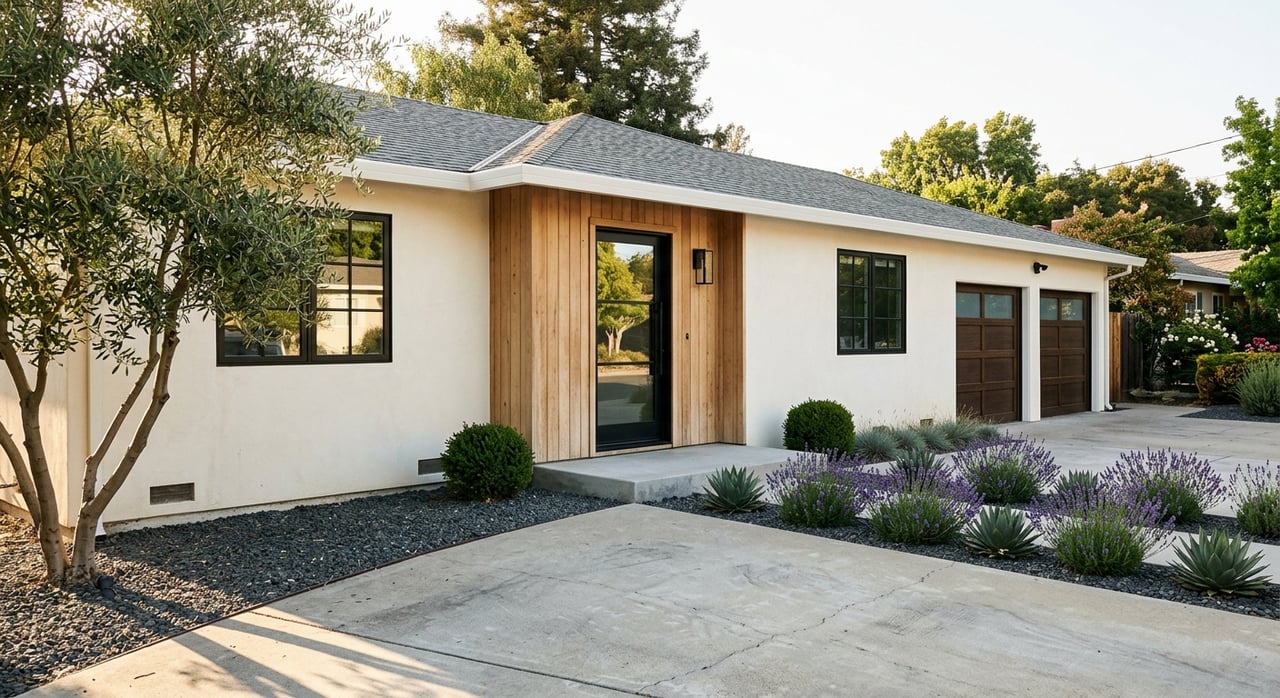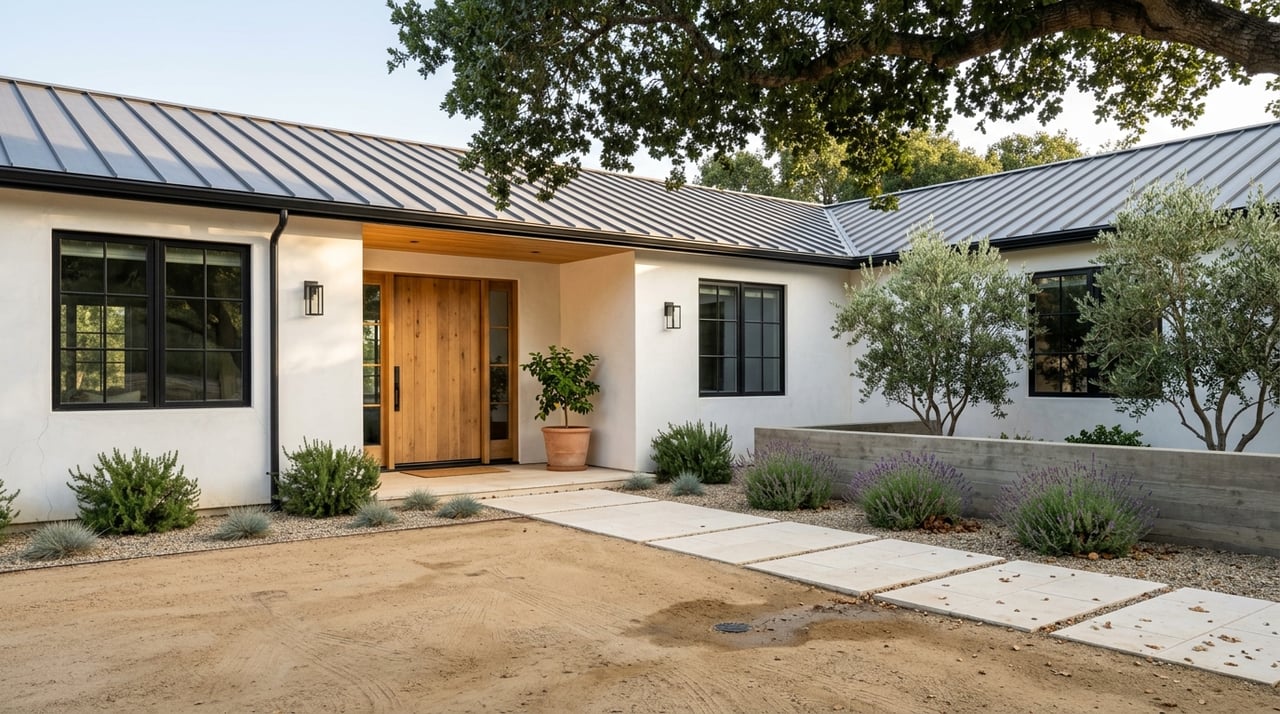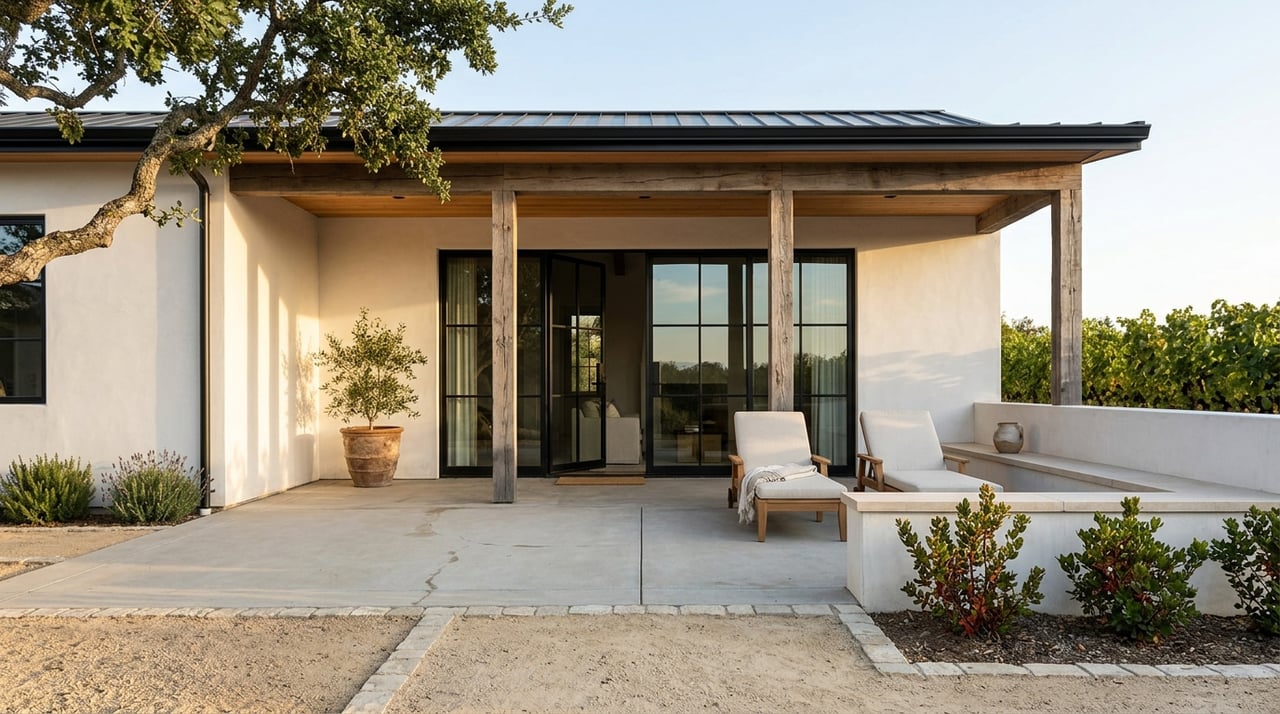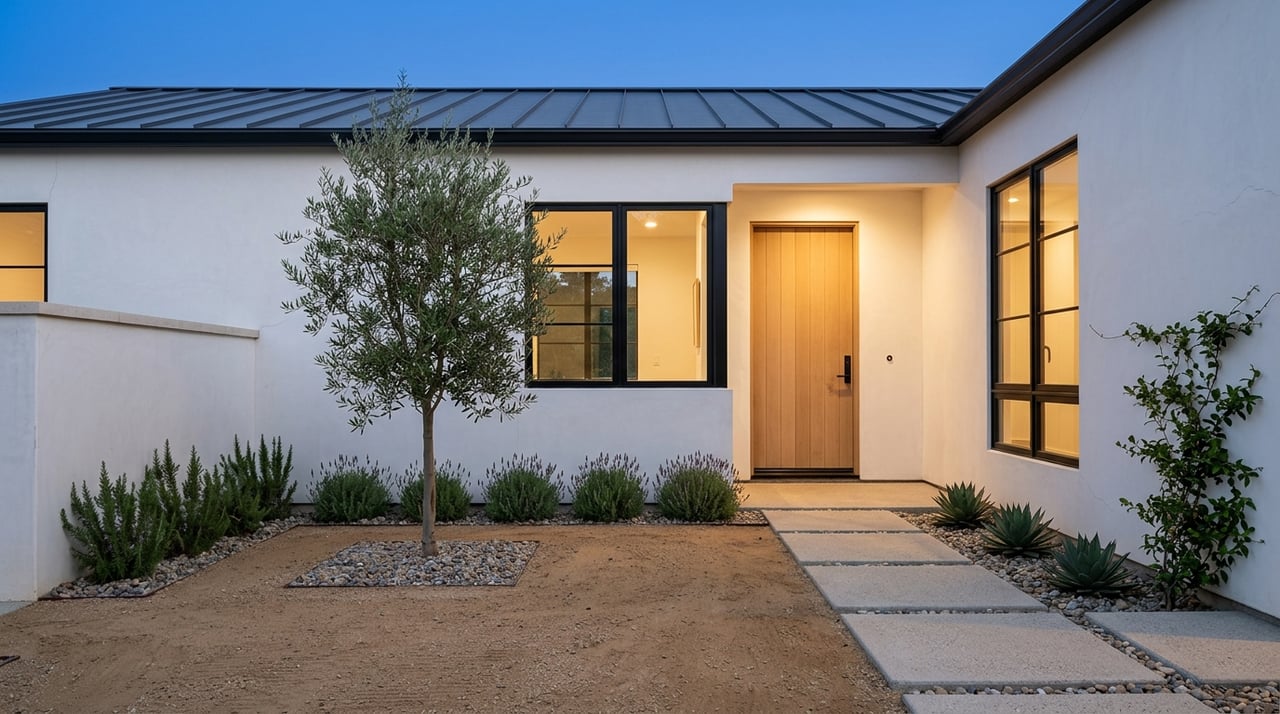
Trying to choose between a coastal home base and wine-country living on the Central Coast? It is a fun decision, but it can also feel surprisingly hard once you start comparing your day-to-day life, travel needs, and budget. If you are weighing Monterey against Santa Ynez Valley or Paso Robles, this guide will help you sort through the tradeoffs so you can focus on the setting that fits how you actually want to live. Let’s dive in.
Monterey vs. Wine Country
At a high level, Monterey is the coast-first option, while Santa Ynez Valley and Paso Robles are the inland wine-country choices.
Monterey is defined by the bay. The Monterey Bay Coastal Recreation Trail stretches 18 miles along the waterfront, and landmarks like Cannery Row, the Monterey Bay Aquarium, and the Monterey Bay National Marine Sanctuary shape the area’s daily rhythm around the ocean.
Santa Ynez Valley offers a different feel. Official visitor materials describe six small communities in Santa Barbara County, with sunny days, cool evenings, and a location that still keeps you within reach of the coast.
Paso Robles sits in a broader inland position and feels more like a central wine-country hub. It is known for its vineyard scale, event scene, and strong regional road access, making it a practical choice if you want wine country with easy weekend mobility.
Climate Shapes Everyday Life
If you are deciding where to live, climate may matter more than the map. The weather pattern in each area can change how often you are outside, what your mornings feel like, and how your home functions year-round.
Monterey stays cooler
Monterey has a distinctly maritime climate. NOAA climate normals for the Monterey station show a mean annual temperature of 55.9°F and 17.11 inches of precipitation, which supports the cool coastal feel many buyers expect.
If you like layers, ocean air, and a setting that stays more moderate through the year, Monterey may feel like home right away. The environment here naturally supports walking, biking, beach access, kayaking, and wildlife viewing.
Santa Ynez Valley lands in the middle
Santa Ynez Valley sits between the coast and inland heat. Visitor materials note average annual temperatures ranging from 76°F to 54°F, with summer highs in the 80s to 90s, winter lows in the 40s, and seasonal rainfall of 9 to 17 inches.
The valley also benefits from east-west geography that allows ocean air to move inland. That creates a mix of microclimates and gives the area a balance of warm afternoons and cooler evenings.
Paso Robles feels warmer and drier
Paso Robles runs warmer overall. NOAA data in the research report shows an annual mean temperature of 59.7°F, and local tourism materials describe an ideal Mediterranean climate with coastal influence.
That combination often appeals to buyers who want more heat, more sun, and an inland lifestyle that still feels connected to the broader Central Coast. It is a good fit if you picture vineyard views, outdoor events, and a more pronounced seasonal rhythm.
Lifestyle: Ocean Access or Vineyard Energy
Once you narrow the weather, the next question is lifestyle. Monterey, Santa Ynez Valley, and Paso Robles each offer a very different backdrop for daily life.
Monterey is built around the bay
Monterey’s standout strengths are coastal recreation and marine identity. The trail, the aquarium, and the sanctuary are not just visitor attractions. They help create a local lifestyle centered on waterfront movement and outdoor access.
If you want your routine to include ocean views, shoreline walks, bike rides, and quick beach time, Monterey has the clearest match. The setting feels compact, coastal, and visually tied to the water.
Santa Ynez Valley feels boutique
Santa Ynez Valley leans more intimate and estate-oriented. Official area materials highlight wine, culinary experiences, scenic outdoor recreation, horseback riding, and small-town character across its six communities.
Santa Barbara County wine-region materials also point to agriculture, ranching, the equine industry, and tourism as core parts of the local economy. That gives the valley a lifestyle that feels grounded in land, open space, and a slower wine-country pace.
Paso Robles feels larger and more varied
Paso Robles has a broader wine-country identity. Official tourism sources describe more than 200 wineries, while the Paso Robles Wine Country Alliance notes more than 250 wineries, 40,000 acres of vineyards, and 11 sub-AVAs.
This scale matters in everyday life. Paso often appeals to buyers who want a bigger wine ecosystem, more event activity, and a region that feels expansive rather than tucked into a smaller valley setting.
Getting Around Matters More Than You Think
For many buyers, the right home base is not just about scenery. It is also about how fast and easily you can get in and out for work, family visits, or weekend travel.
Monterey offers the easiest airport access
Monterey Regional Airport is a major convenience point. According to the research report, it offers more than 40 flights in and out daily, nonstop service to Las Vegas, Los Angeles, Phoenix, San Diego, and San Francisco, plus more than 95 one-stop worldwide destinations.
That can be a big advantage if you are buying a second home, relocating from another region, or simply want a shorter airport-to-home routine. Among these three options, Monterey has the strongest direct case for air travel convenience.
Santa Ynez Valley is more drive-in
Santa Ynez Valley is accessible, but the experience is different. Official materials place it 30 miles from Santa Barbara Municipal Airport, 35 miles from Santa Maria Public Airport, and 125 miles from LAX.
That setup works well for buyers who do not mind driving into their home base. It can feel more destination-like, which many people love, but it is not the same as having the airport loop Monterey offers.
Paso Robles is strong for road trips
Paso Robles stands out for regional driving access. Official tourism materials describe it as about a three-hour drive from both Los Angeles and San Francisco, and San Luis Obispo County Regional Airport adds another layer of connectivity with direct service to several western cities and Dallas/Fort Worth and Denver.
If you are the kind of buyer who sees yourself exploring the region by car, Paso Robles has a very practical setup. It feels well-positioned for weekend movement in multiple directions.
Housing Profiles Look Different Too
The housing stock and price points in these markets can shape your decision just as much as the lifestyle. Based on the current market snapshots in the research report, each area offers a different ownership experience.
Monterey is competitive and coastal
Monterey’s median sale price over the last three months was reported at $993,275. The market is described as very competitive, with a mix that includes single-family homes, townhouses, and condos or co-ops.
That profile can work well if you want coastal access and a range of home types. It also suggests a tighter market, where being prepared and clear on priorities matters.
Santa Ynez Valley trends higher and more land-oriented
Santa Ynez was reported with a median sale price of $1,699,123. The market snapshot also highlighted land, luxury homes, vintage homes, and single-story homes, with listings ranging from a $444,500 parcel to multimillion-dollar estate properties.
This points to a more estate- and land-oriented market. If you are drawn to acreage, ranch character, vineyard potential, or a luxury retreat feel, Santa Ynez Valley may offer the most direct path to that lifestyle.
Paso Robles offers a lower current entry point
Paso Robles posted a median sale price of $769,603 in the research report. The market was described as somewhat competitive, with slower average market time than Monterey.
That can make Paso attractive if you want wine-country living with a lower median price than Monterey or Santa Ynez in the current snapshot. It does not mean the market is simple, but it may give you a different set of tradeoffs on space, setting, and budget.
Which Central Coast Base Fits You?
There is no single winner here. The best choice depends on the life you want to build around the home.
Choose Monterey if you want coast-first living
Monterey may be your best fit if you want:
- Daily ocean access
- Cooler maritime weather
- A waterfront lifestyle built around trails and the bay
- Easier airport access for frequent travel
- A home base that feels distinctly coastal every day
Choose Santa Ynez Valley if you want intimate wine country
Santa Ynez Valley may be your best fit if you want:
- Wine-country immersion with a boutique feel
- Ranch, equine, or land-oriented character
- Warm days and cool evenings
- Small-town settings across multiple communities
- A rural valley lifestyle that still stays within reach of the coast
Choose Paso Robles if you want scale and flexibility
Paso Robles may be your best fit if you want:
- A broad wine-country ecosystem
- More regional road-trip convenience
- A warmer inland setting
- A larger event and winery scene
- A lower current median price than Monterey or Santa Ynez
A Smart Way to Compare These Markets
If you are serious about making a move, try comparing these areas through the lens of your real routine instead of your vacation mindset. Ask yourself where you want to spend a Tuesday morning, not just a long weekend.
Think about the weather you enjoy most, how often you travel, how much space you want, and whether you picture your life around the water or around vineyards and open land. Those answers usually bring the right market into focus faster than a simple pros-and-cons list.
When you are comparing Monterey, Santa Ynez Valley, and Paso Robles, the details matter. A guided search can help you sort through home types, travel patterns, and lifestyle fit so you can move with confidence. If you want a thoughtful, high-touch plan for your Central Coast move, connect with Tiffany Schmidt for expert guidance tailored to the way you want to live.
FAQs
How does Monterey weather compare with Santa Ynez Valley and Paso Robles?
- Monterey is the coolest of the three, with a mean annual temperature of 55.9°F in the research report, while Santa Ynez Valley is warmer with cool evenings and Paso Robles is warmer and drier overall.
Is Monterey or wine country better for a second home on the Central Coast?
- Monterey may be a stronger fit if you want easy airport access and daily ocean proximity, while Santa Ynez Valley or Paso Robles may fit better if you want a wine-country setting and warmer inland conditions.
Which Central Coast market has the lowest median home price in this comparison?
- Based on the market snapshots in the research report, Paso Robles had the lowest median sale price at $769,603, compared with Monterey at $993,275 and Santa Ynez at $1,699,123.
What kind of lifestyle does Santa Ynez Valley offer compared with Monterey?
- Santa Ynez Valley offers a more land-based wine-country lifestyle with small communities, ranch and equine character, and warm days, while Monterey centers more on the bay, coastal recreation, and a cooler ocean-influenced setting.
Is Paso Robles or Monterey better for regional travel convenience?
- Monterey stands out for airport convenience, while Paso Robles is especially strong for regional driving access and road-trip flexibility within California.