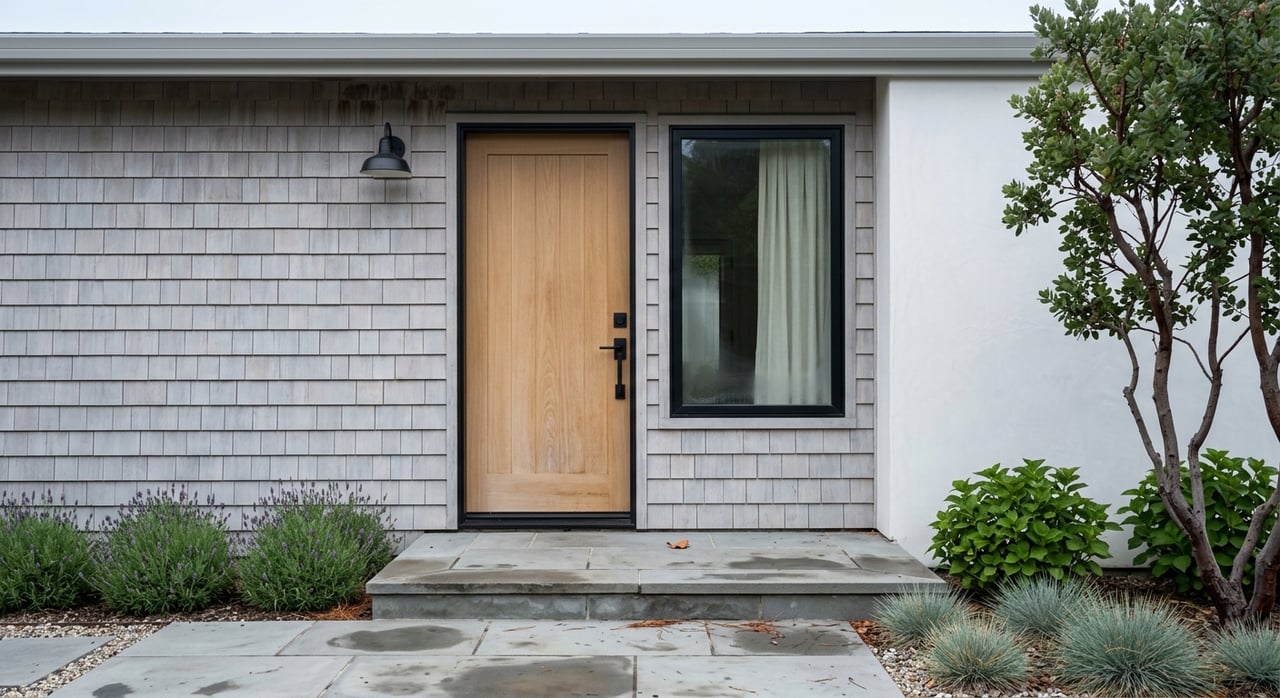
Dreaming about a place where ocean air, village charm, and weekend escapes all come together? Buying a coastal retreat in Cambria can feel exciting, but it also comes with details that many buyers do not expect at first. If you are considering a second home, part-time getaway, or future full-time move, it helps to understand how Cambria’s housing stock, water rules, seasonal upkeep, and rental regulations shape the ownership experience. Let’s dive in.
Cambria feels different by design
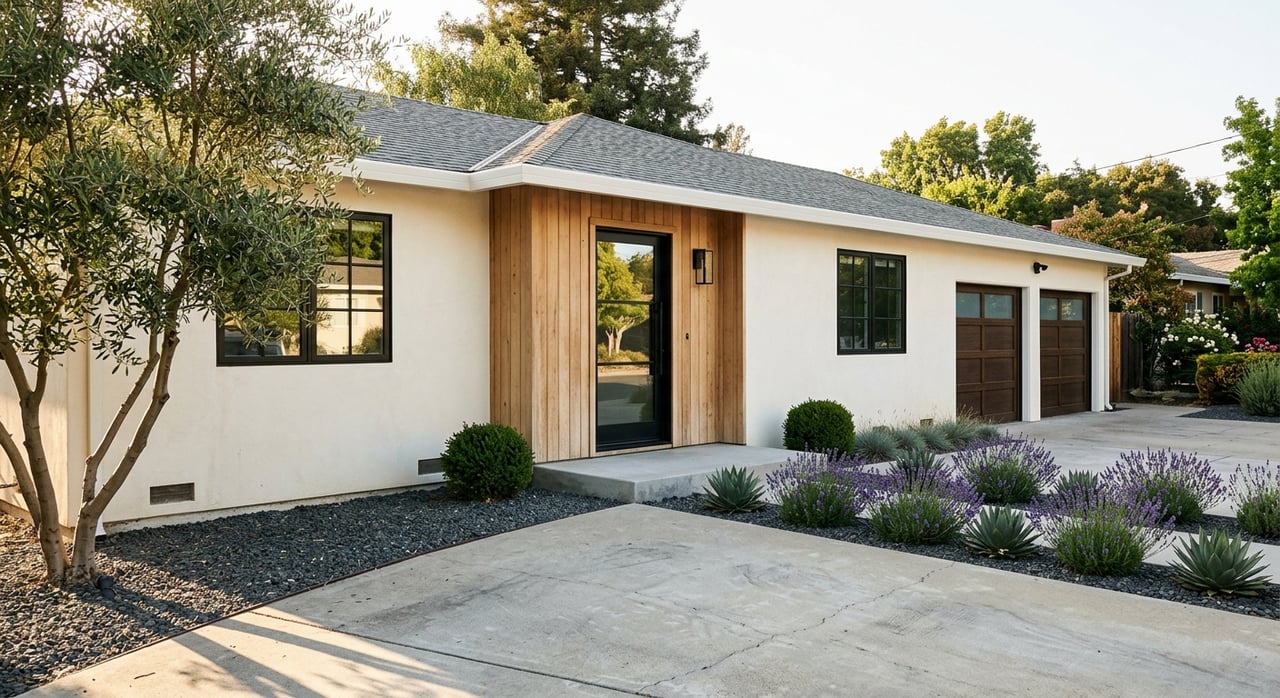
Cambria is not a master-planned coastal suburb with endless new inventory and broad housing choices. According to San Luis Obispo County’s North Coast Area Plan, about 93% of Cambria’s housing units are single-family detached homes. That means your search will likely center on cottages, older detached homes, and smaller-lot properties rather than a wide mix of condos or townhomes.
That smaller-scale housing pattern is part of the appeal. Cambria often feels more like a village retreat than a large coastal market, with tourism and agriculture shaping the broader North Coast area. For you as a buyer, that usually means inventory can feel limited and each home may come with a more distinct set of tradeoffs.
Expect a tighter inventory picture
One of the first things many buyers notice is that Cambria is a constrained market. The Cambria Community Services District and San Luis Obispo County both note waitlists related to vacant parcels in the urban area, with the district waitlist served before the County waitlist. In practical terms, that is a strong sign that buildable opportunities are limited.
If you are comparing Cambria to inland markets, you may need to adjust your expectations. In Cambria, value is often tied not just to square footage, but also to setting, condition, maintenance demands, and how well a property fits your lifestyle goals. A smaller home with the right location and manageable upkeep may be a better retreat than a larger property that creates more work every time you arrive.
Older homes often mean more due diligence
Because so much of Cambria’s inventory is detached housing on smaller lots, many homes reflect earlier building eras and established neighborhood patterns. That does not make them less desirable. It simply means your buying process should include a careful look at systems, exterior materials, drainage, and any deferred maintenance.
For second-home buyers, this matters even more. A charming coastal cottage can be exactly what you want, but if you will not be there every week, you also need a realistic plan for care between visits. This is where a guided, local approach can save you time and stress.
Seasonal living is part of ownership
Cambria has a seasonal rhythm that affects how you use and maintain a home. The Cambria Community Services District notes that rainfall is generally absent from May through October, and local water assessments describe groundwater levels rising in the wet season and declining during the dry season. If your property will sit empty for stretches of time, your landscape and irrigation setup need to work with that cycle.
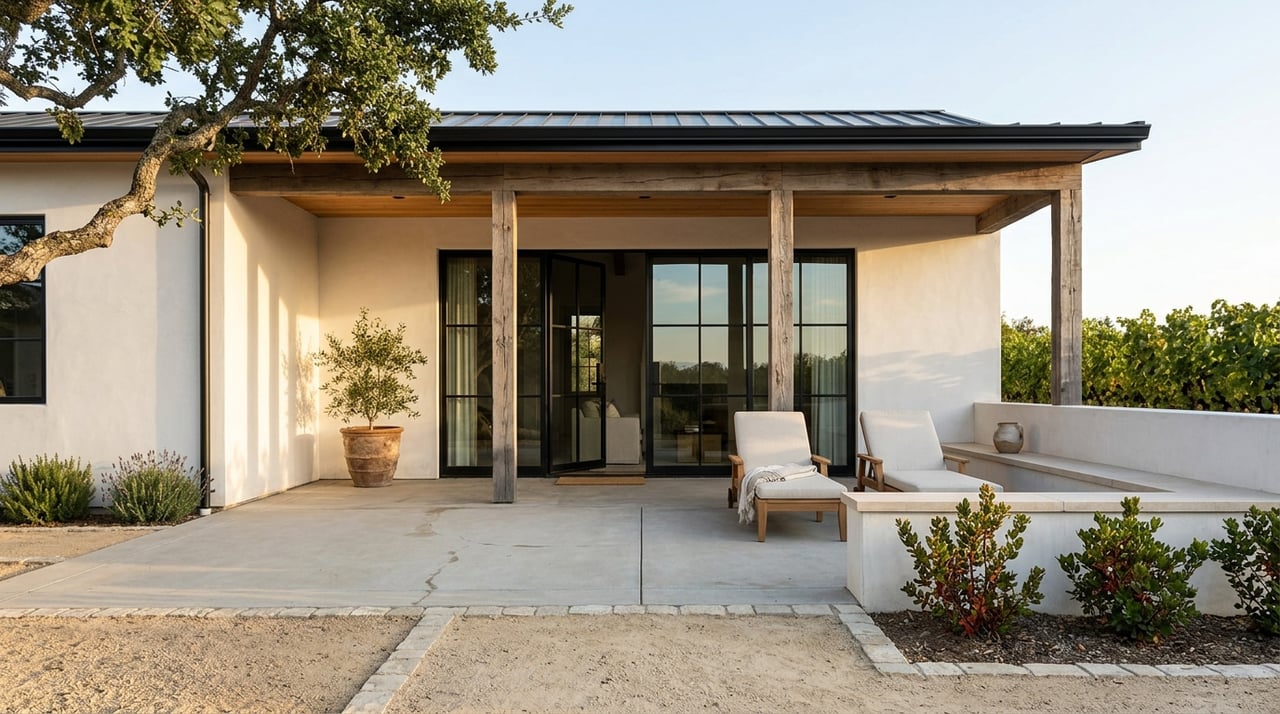
The coast also brings a different weather pattern than many inland retreat markets. Summer fog and marine moisture are common along California’s coast, which can influence how you think about exterior finishes, outdoor furniture, storage, and routine upkeep. If you are picturing a lock-and-leave home, it is smart to think beyond the view and consider what the property needs during the months when you are away.
Water is not a background issue here
In Cambria, water is part of the ownership conversation from day one. The Cambria Community Services District says local water comes from municipal wells in the San Simeon and Santa Rosa Creek basins, and the State limits pumping. The district also emphasizes that Cambria continues to face scarce water supplies and recurring drought conditions.
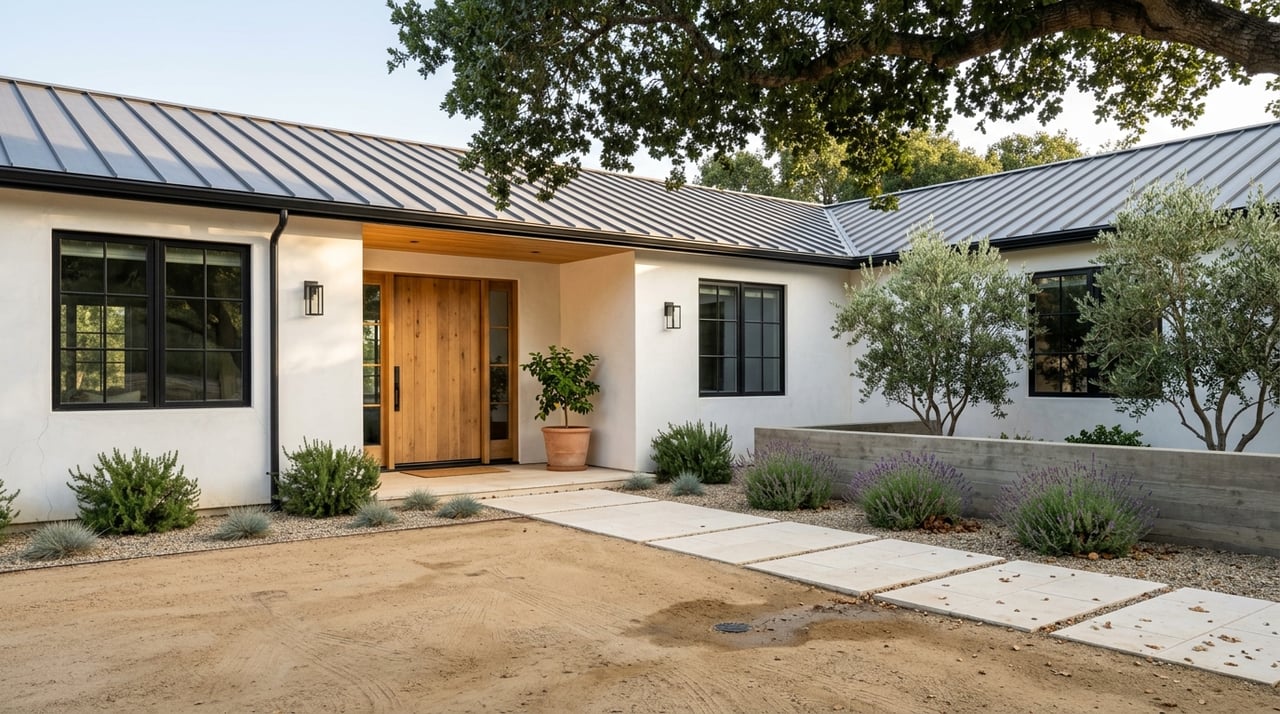
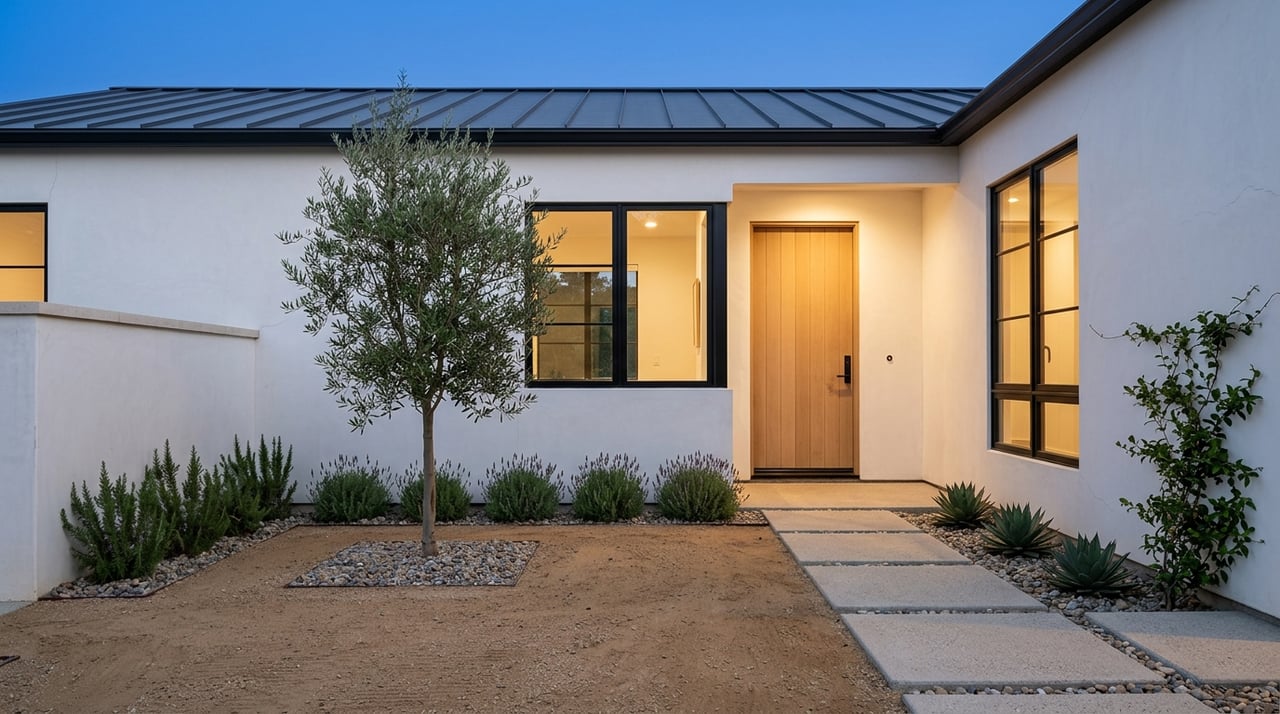
For you, that means conservative water use should be part of your expectations. A retreat property here is usually better suited to drought-tolerant landscaping and efficient irrigation than to a water-heavy yard plan. This is not just about style. It is about owning in a way that fits the realities of the community.
Water rules can shape your maintenance plan
CCSD conservation rules prohibit watering between 10 a.m. and 6 p.m. and do not allow runoff from watering. The district also restricts potable-water washing of vehicles, boats, trailers, sidewalks, driveways, and similar hard surfaces.
Those rules make practical planning important, especially if you are a part-time owner. A smart setup may include:
- Drought-tolerant landscaping
- Drip irrigation
- A local gardener who understands the rules
- Routine property checks during dry months
- A simple plan to catch leaks or irrigation issues early
Part-time ownership is common
If you are wondering whether Cambria works well for second-home ownership, the local data suggest you would not be alone. In the CCSD’s 2024-2025 water shortage assessment, staff reported that 17% of residential accounts were occupied part-time and 2.5% were vacant. The district linked differences in housing and billing patterns to part-time ownership, vacation rentals, and second homes.
That does not mean every property functions the same way. It does mean Cambria already has a meaningful base of part-time use, which can be encouraging if you are buying a retreat rather than a primary residence. Still, successful ownership usually depends on having the right support system in place.
Fire preparedness should be on your checklist
Many coastal buyers focus first on views, privacy, and proximity to town. In Cambria, you also want to think about vegetation management and fire readiness. CCSD says Cambria has Firewise USA certification, promotes defensible space and fuel reduction practices, and operates a fire department with 24/7 protection and emergency response.
The district also enforces weed-abatement rules on developed and undeveloped properties. If you will be managing the home from a distance, this is a major reason to line up local help before closing. A landscape or property-care vendor can help you stay ahead of seasonal maintenance rather than scrambling after a notice or during peak fire season.
A retreat home needs a local care team
One of the biggest differences between buying a primary home and buying a coastal retreat is what happens when you are not there. In Cambria, a reliable local team can make ownership feel easy instead of stressful.
Your support plan may include:
- Landscaping and defensible-space maintenance
- Periodic exterior and interior property checks
- Help monitoring irrigation and moisture issues
- Coordination for small repairs and upkeep
- Vendor support before holiday weekends or longer stays
This is where having an advisory team with strong local connections can make a real difference, especially if you want guidance beyond the transaction itself.
Rental income comes with real rules
Some buyers hope to offset costs by renting out the home when they are away. In Cambria, that idea needs careful review early in the process. San Luis Obispo County allows short-term rentals of less than 30 days, but legally established vacation rentals must comply with location restrictions, permitting requirements, and operating standards.
For coastal properties in Cambria, the County’s vacation-rental guide says an applicant generally needs a Vacation Rental Zoning Clearance, Business License, and Transient Occupancy Tax certificate if the property meets ordinance standards. Certain location rules may be modified only through a Minor Use Permit. This is not a casual setup, so rental plans should be treated as a regulated operating model.
Key rental limits to know
If you are buying with rental income in mind, be sure to review the property through that lens before you close. County guidance for coastal vacation rentals includes operational requirements such as:
- A 24-hour local contact
- Notification to sheriff and fire agencies
- Notice to neighbors within 200 feet
- On-site parking requirements
- No on-street parking for the rental use
- Occupancy limits of two people per bedroom, plus two additional people
The business license is also not transferable to a new owner and expires if not renewed. That means a seller’s prior use does not automatically give you a turnkey path.
Ongoing costs may look different than you expect
When buyers estimate the cost of a second home, they often start with mortgage, taxes, and insurance. In Cambria, you may also want to budget for recurring property-care costs tied to water-conscious landscaping, fire-safe maintenance, part-time occupancy, and possible rental compliance.
If you plan to use the property as a vacation rental, County tax guidance says lodging businesses in unincorporated San Luis Obispo County must register for a County Business License and collect transient occupancy tax. Management fees, local contact requirements, renewals, and compliance costs should all be part of your ownership math. Even if you never rent the home, routine oversight can still be an important line item.
Coastal setting affects future plans
Buying the home is one decision. Changing it later can be another. The California Coastal Commission says coastal-development-permit projects should address sea-level-rise hazards when a site may be subject to inundation, flooding, wave impacts, erosion, or saltwater intrusion.
That does not mean every Cambria property faces the same level of concern. It does mean that if you are considering a remodel, addition, or major exterior project, the site itself matters. Bluff-adjacent and ocean-view properties may require a more careful review of future permitting paths than a similar project farther inland.
Vacant land can be especially complex
If you are tempted by a vacant parcel instead of an existing home, Cambria requires extra patience and planning. San Luis Obispo County notes that both the County and the Cambria Community Services District maintain waitlists for vacant parcels, with the district waitlist served first. The County also provides guidance on building size and residential size for Cambria.
For many retreat buyers, an existing home can offer a clearer path than trying to create something from scratch. If you do consider land, you will want a very realistic timeline and a strong understanding of development limits before moving forward.
What a smart Cambria buying plan looks like
A successful Cambria retreat purchase is usually about fit, not just features. You want a property that matches how often you will use it, how much upkeep you want, and whether rental income is truly part of the plan.
A practical buying process often includes:
- Defining whether the home is for personal use, part-time use, or future rental use
- Reviewing water, landscaping, and seasonal maintenance needs early
- Evaluating the home’s condition with part-time ownership in mind
- Understanding fire-preparedness and local vendor needs
- Looking closely at parking, access, and operating rules if rental income matters
- Considering future remodel or permitting goals before you buy
When you approach Cambria this way, you are much more likely to end up with a retreat that feels restorative instead of demanding.
Why guidance matters in a market like Cambria
Cambria offers a lifestyle many buyers love, but it rewards thoughtful planning. The right property is not always the one with the biggest view or the most square footage. Often, it is the home that fits your real rhythm, your maintenance tolerance, and your long-term goals.
That is where a hands-on, relationship-based team can help. If you want not just a purchase, but a practical plan for ownership, vendor coordination, and life after closing, working with advisors who value guidance and follow-through can make the entire experience feel much more seamless.
If you are thinking about buying a coastal retreat in Cambria, Tiffany Schmidt can help you evaluate the lifestyle, logistics, and property fit with a clear plan and steady support.
FAQs
What should you expect from Cambria housing inventory as a retreat buyer?
- Most Cambria housing is single-family detached, so you will likely see older homes, cottages, and small-lot properties more often than condos or newer planned developments.
What should you know about water use when buying a home in Cambria?
- Water conservation is an ongoing part of ownership in Cambria, so drought-tolerant landscaping, efficient irrigation, and careful property oversight are important.
What should part-time owners plan for in Cambria?
- If you will not live in the home full time, you should plan for local help with landscaping, irrigation, exterior checks, and seasonal maintenance.
What should buyers know about short-term rentals in Cambria?
- Short-term rentals in Cambria are regulated by San Luis Obispo County and may require zoning clearance, a business license, a transient occupancy tax certificate, and compliance with operating rules.
What should you consider before remodeling a coastal home in Cambria?
- If a property may be affected by coastal hazards such as erosion, flooding, or wave impacts, future additions or remodels may involve a more detailed coastal review and permitting path.